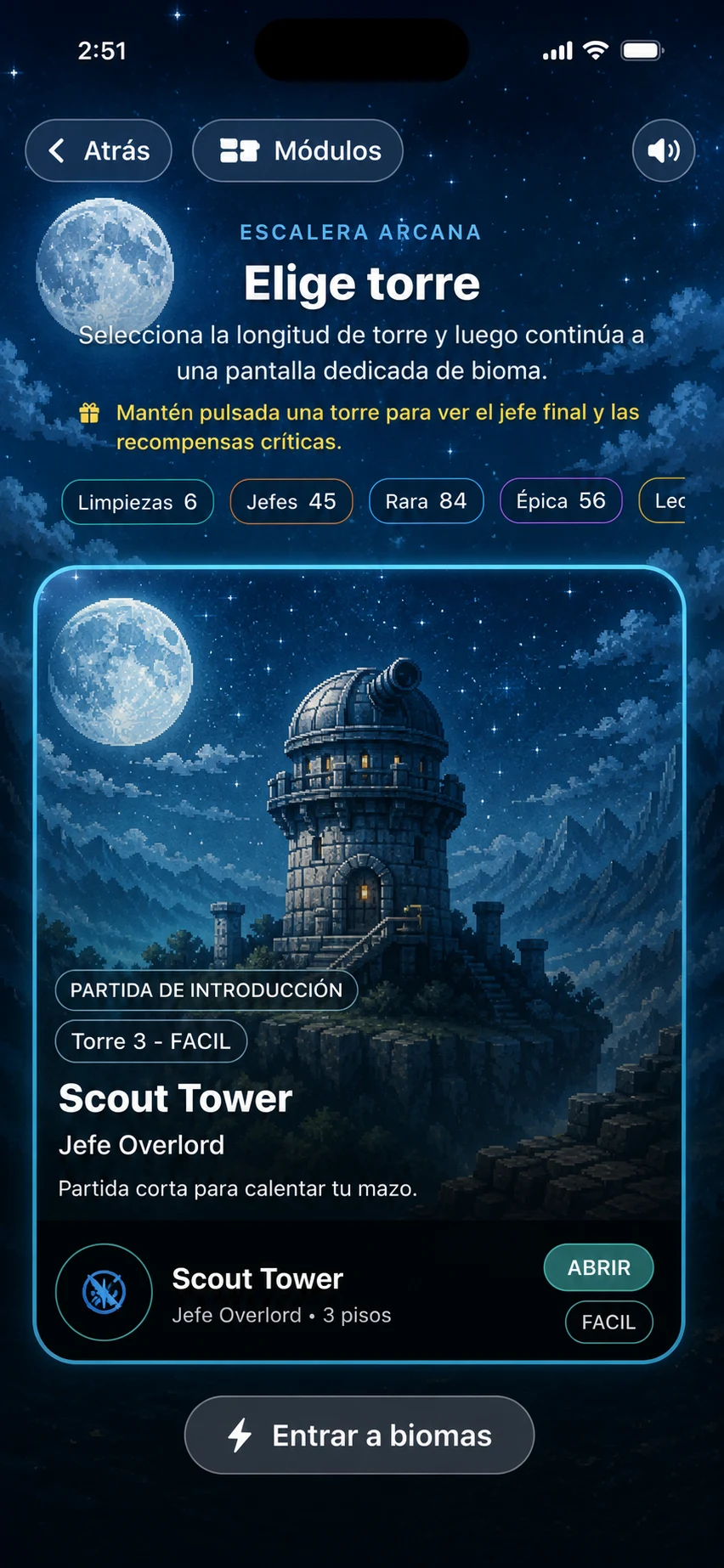
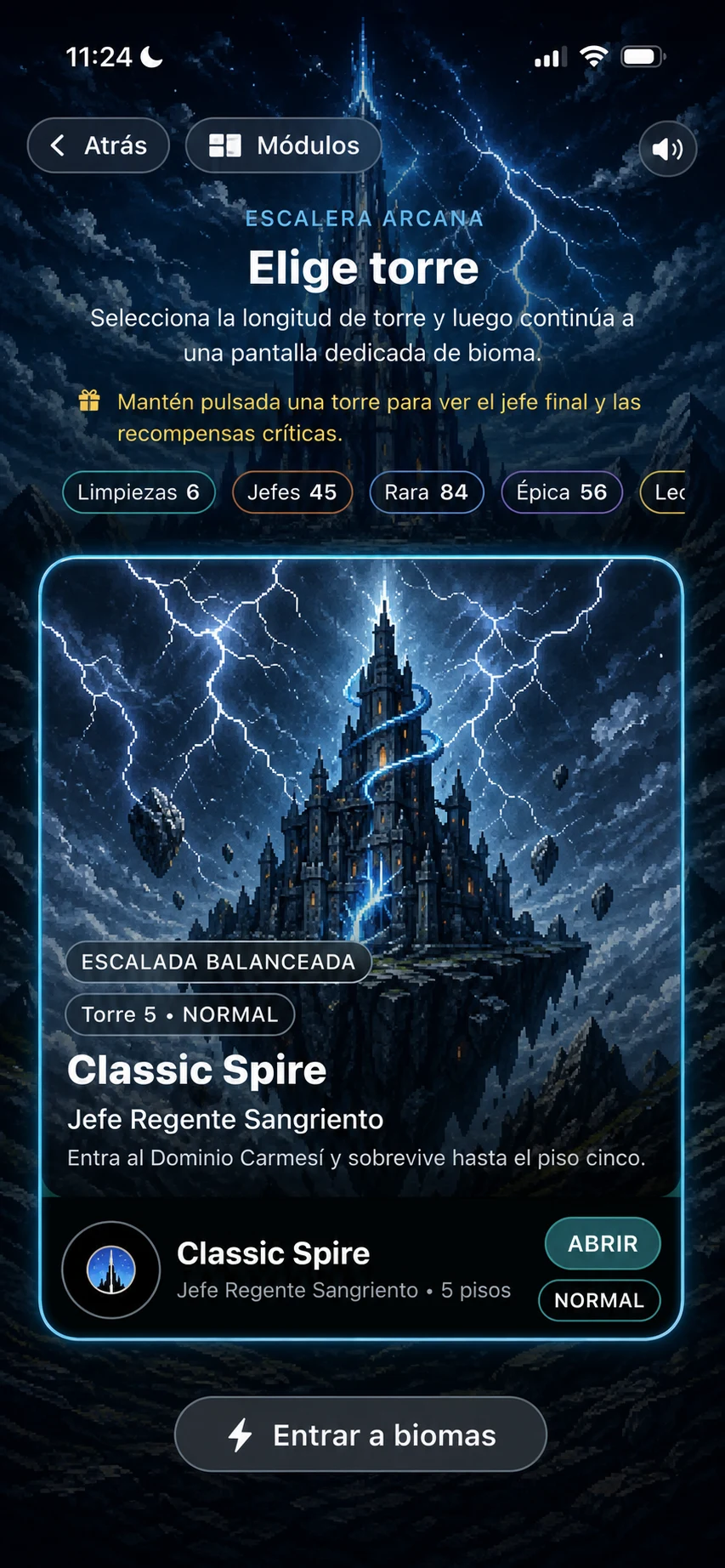
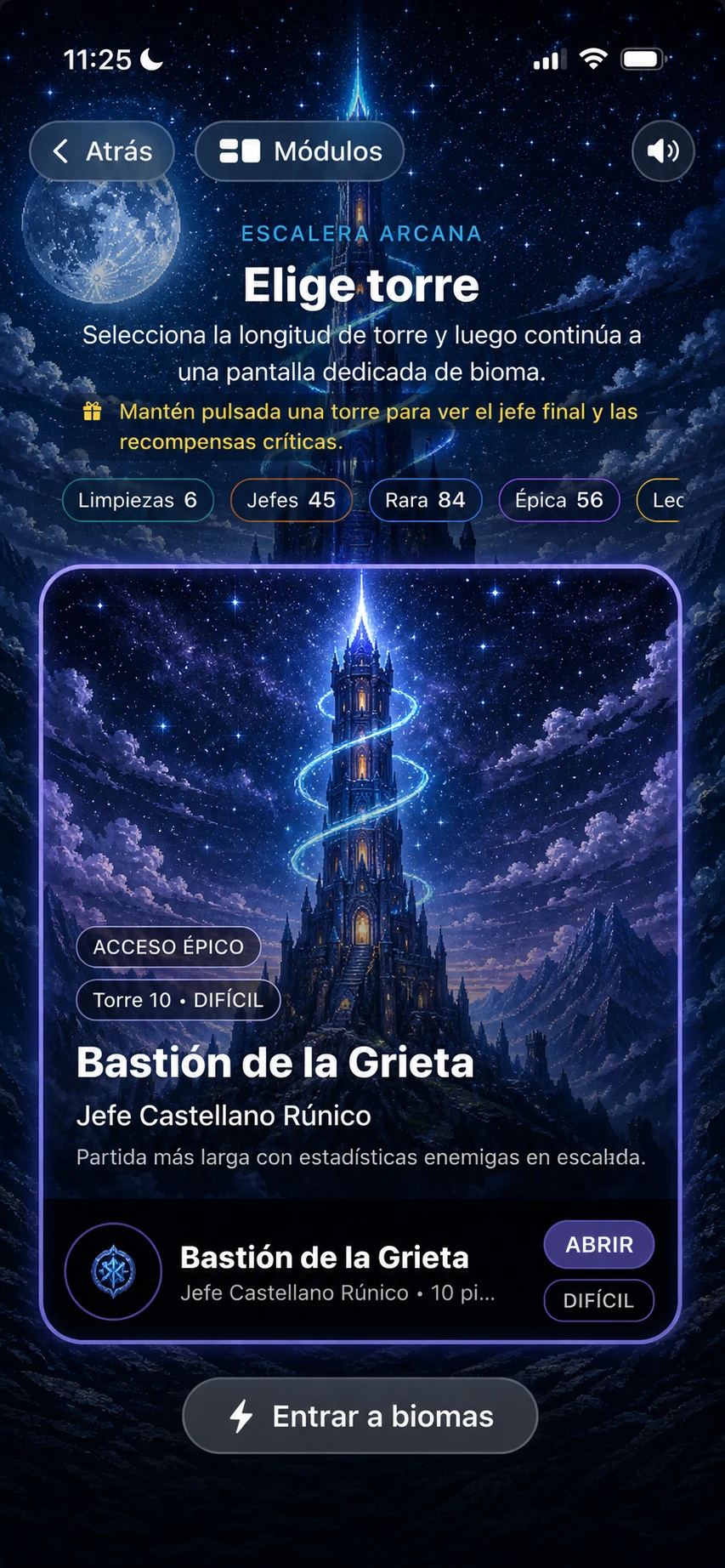
01 · Choose Route
The tower sets length, boss, and reward pressure.
Scout Tower gets you into rhythm. Classic Spire raises the pressure. Bastion of the Rift asks you to survive more floors for more critical rewards.
Open beta on TestFlight
Codex Ascendant is a card RPG for iPhone and iPad: pick a route, shape your deck, read the boss turn, and choose when to attack, block, or set up a combo.
iOS and iPadOS · No mandatory account · Persistent progression

Available now on iPhone and iPad
No account needed. Open the beta, choose a route, fight turn by turn, and leave with permanent progress for the next attempt.
Each attempt connects six beats: choose the tower, read the turn, tune the deck, answer the enemy, reach the boss, then claim a piece that changes the next build.
01 · Choose Route
Scout Tower gets you into rhythm. Classic Spire raises the pressure. Bastion of the Rift asks you to survive more floors for more critical rewards.
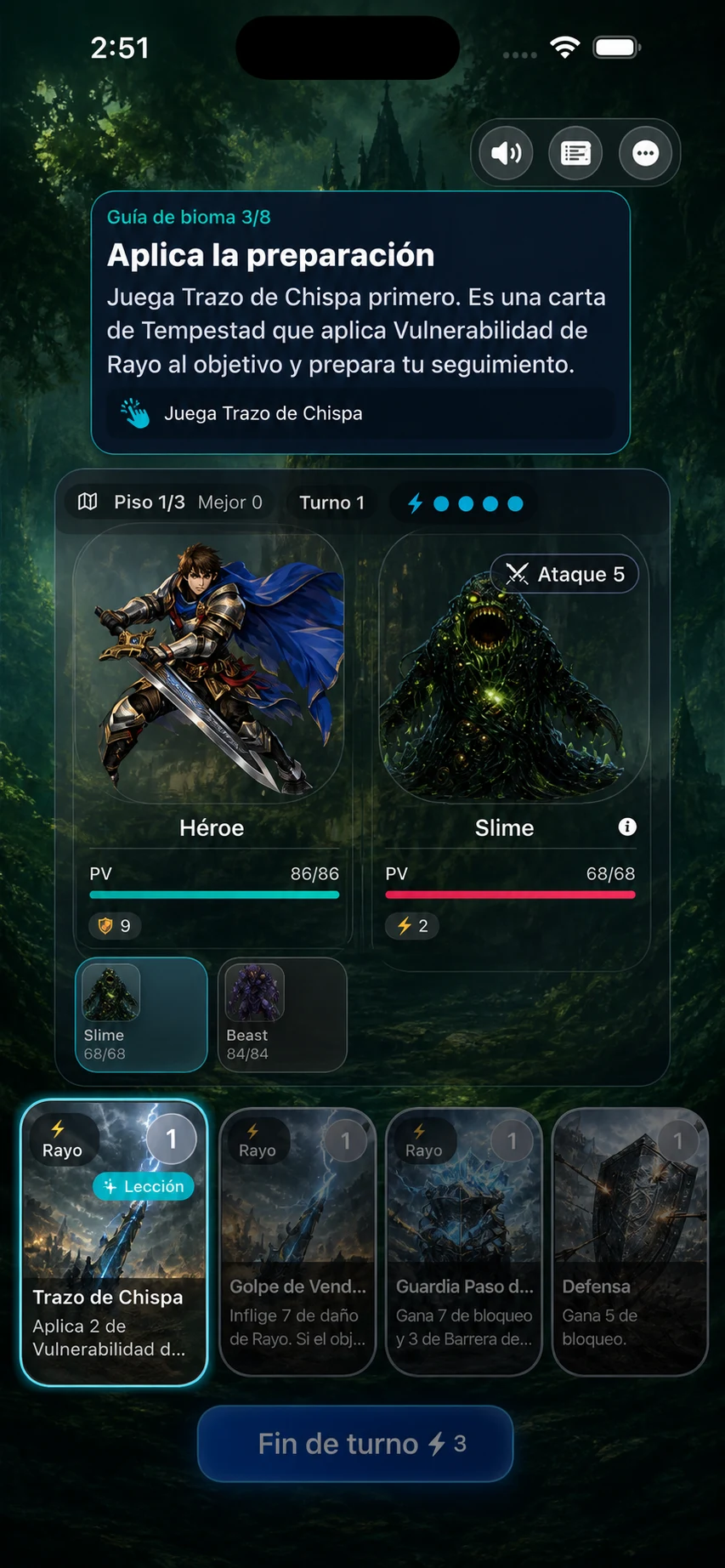
02 · Learn Combat
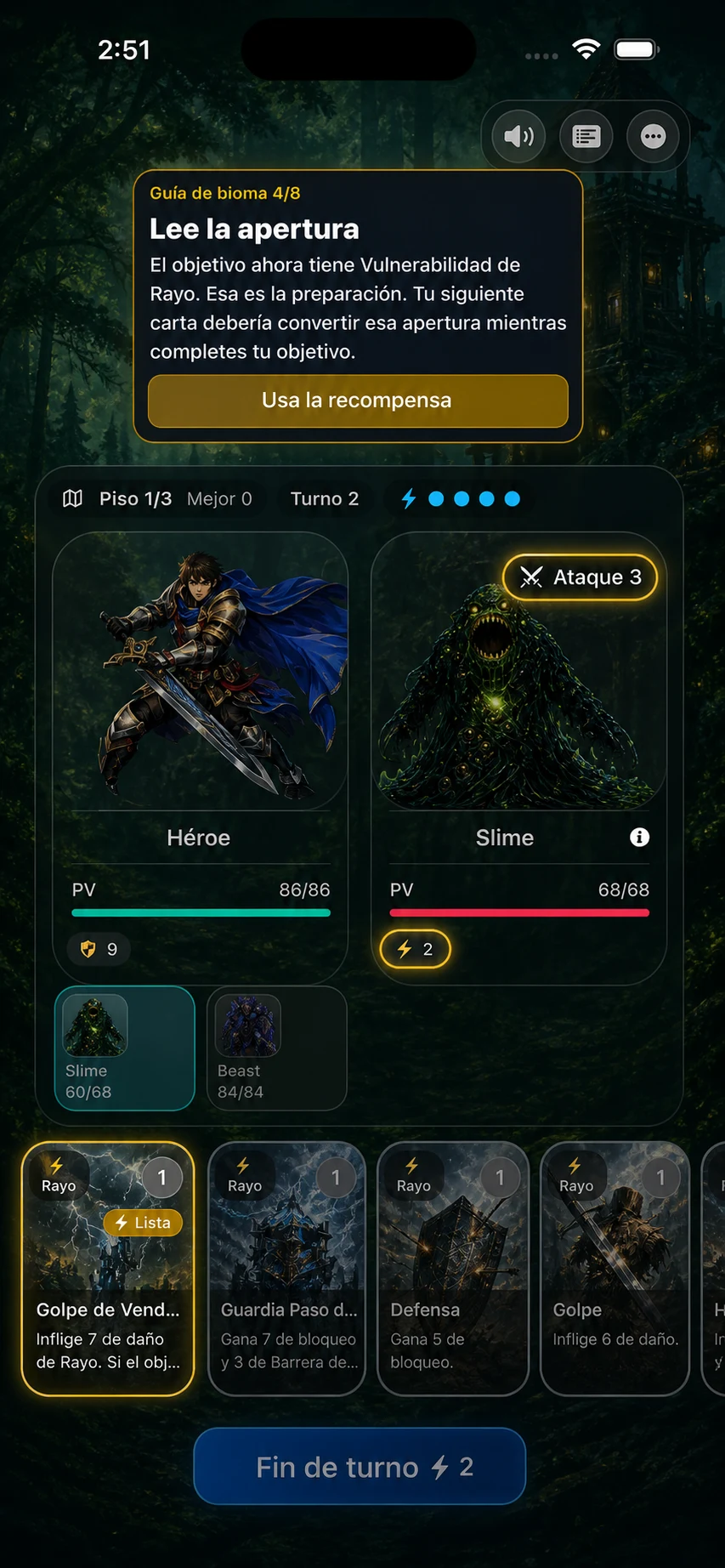
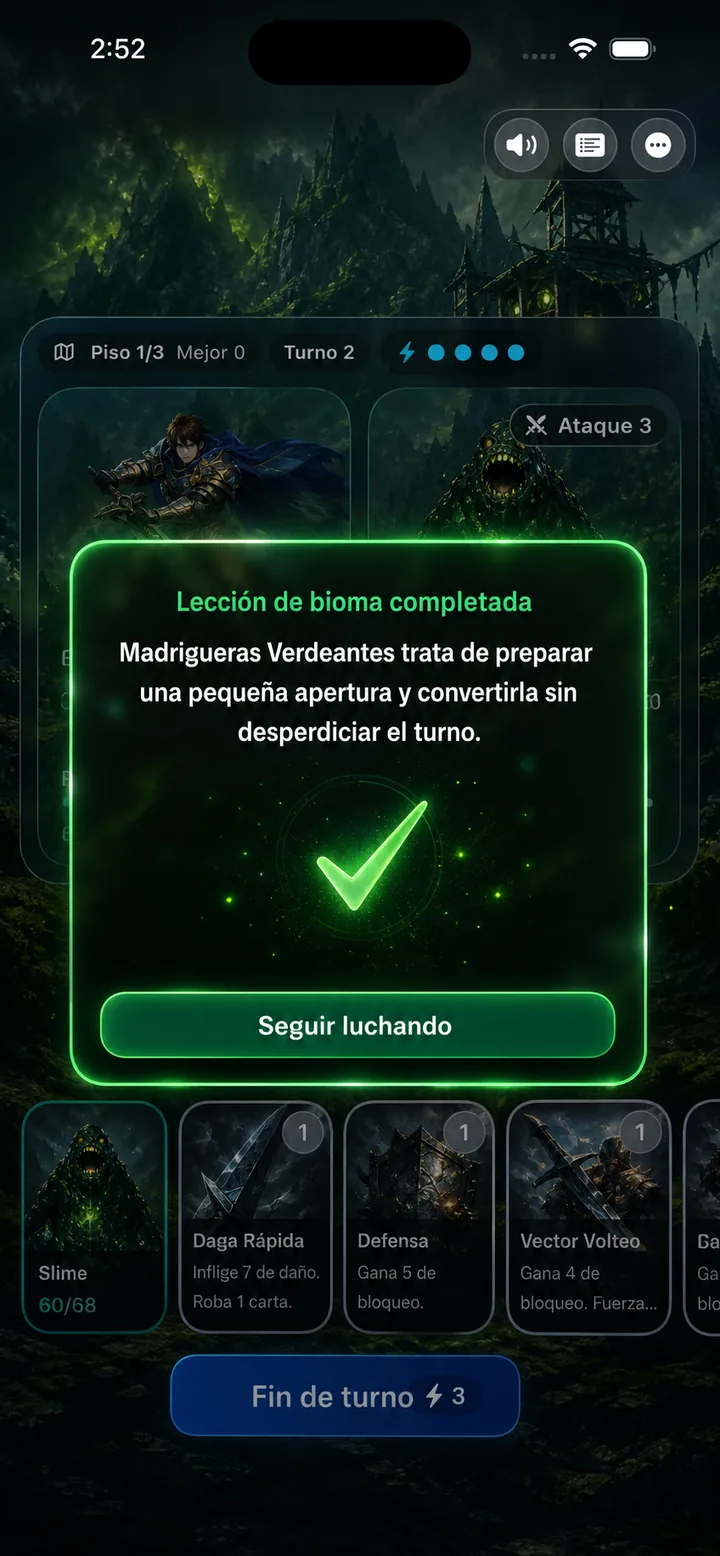
You do not win by throwing cards at random. Apply pressure, read the enemy opening, then decide whether to convert damage, block, or hold energy.
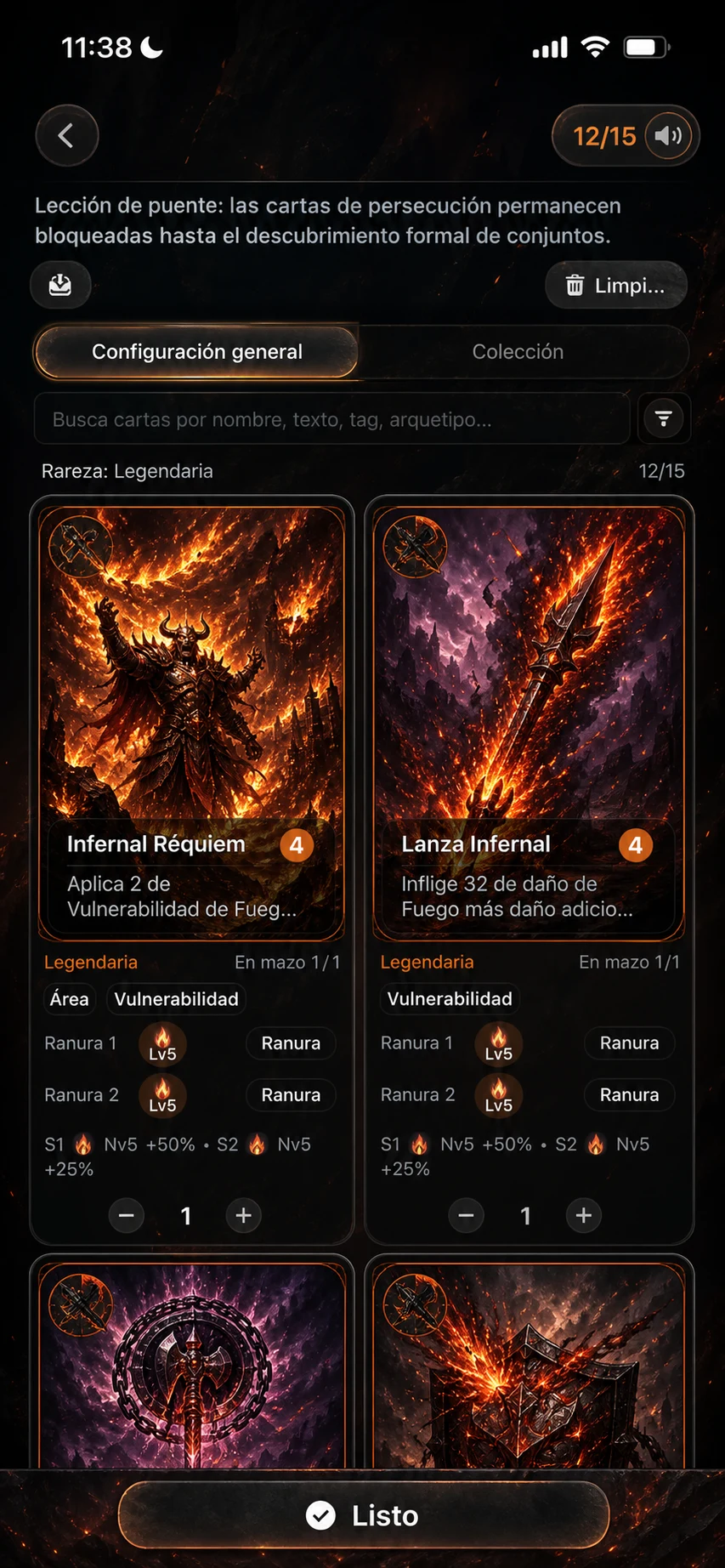
03 · Build Deck
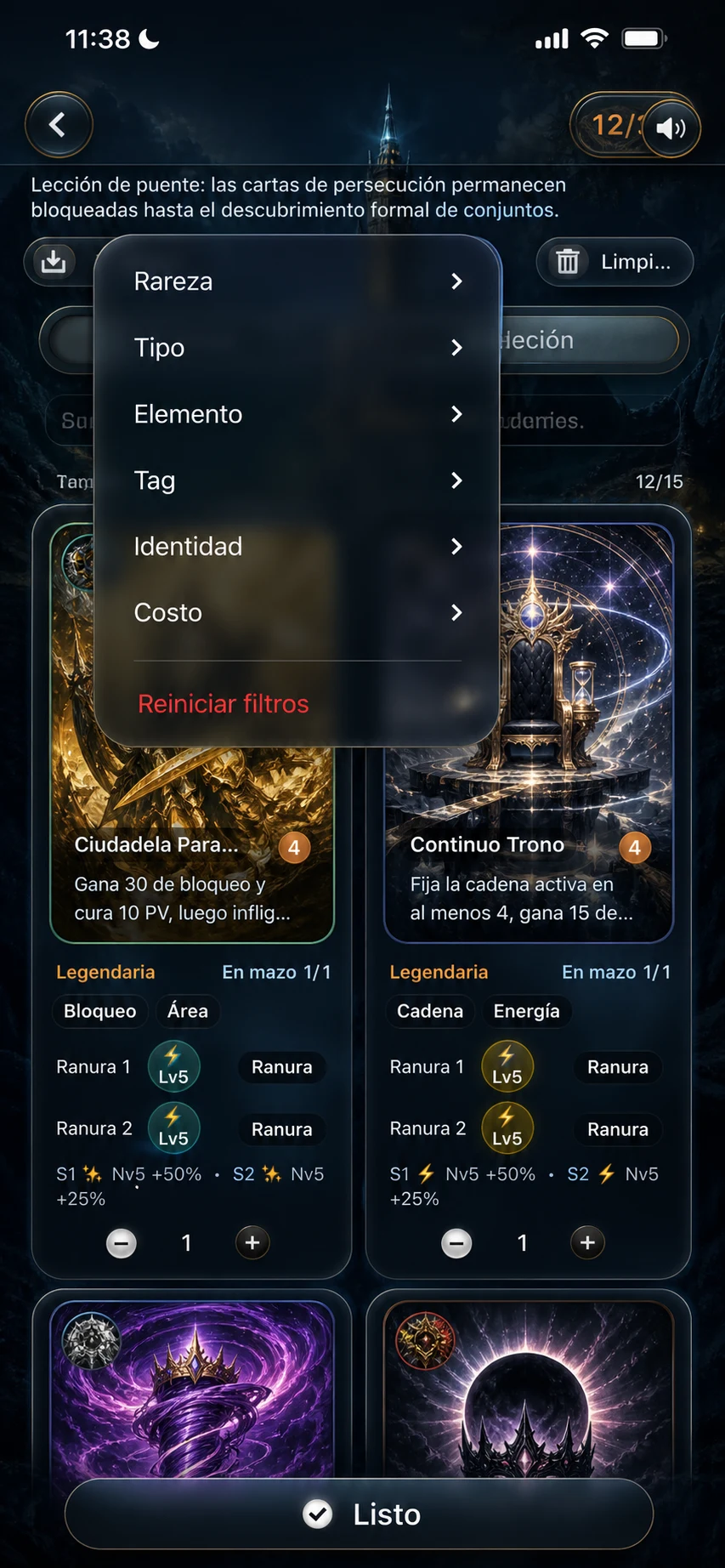
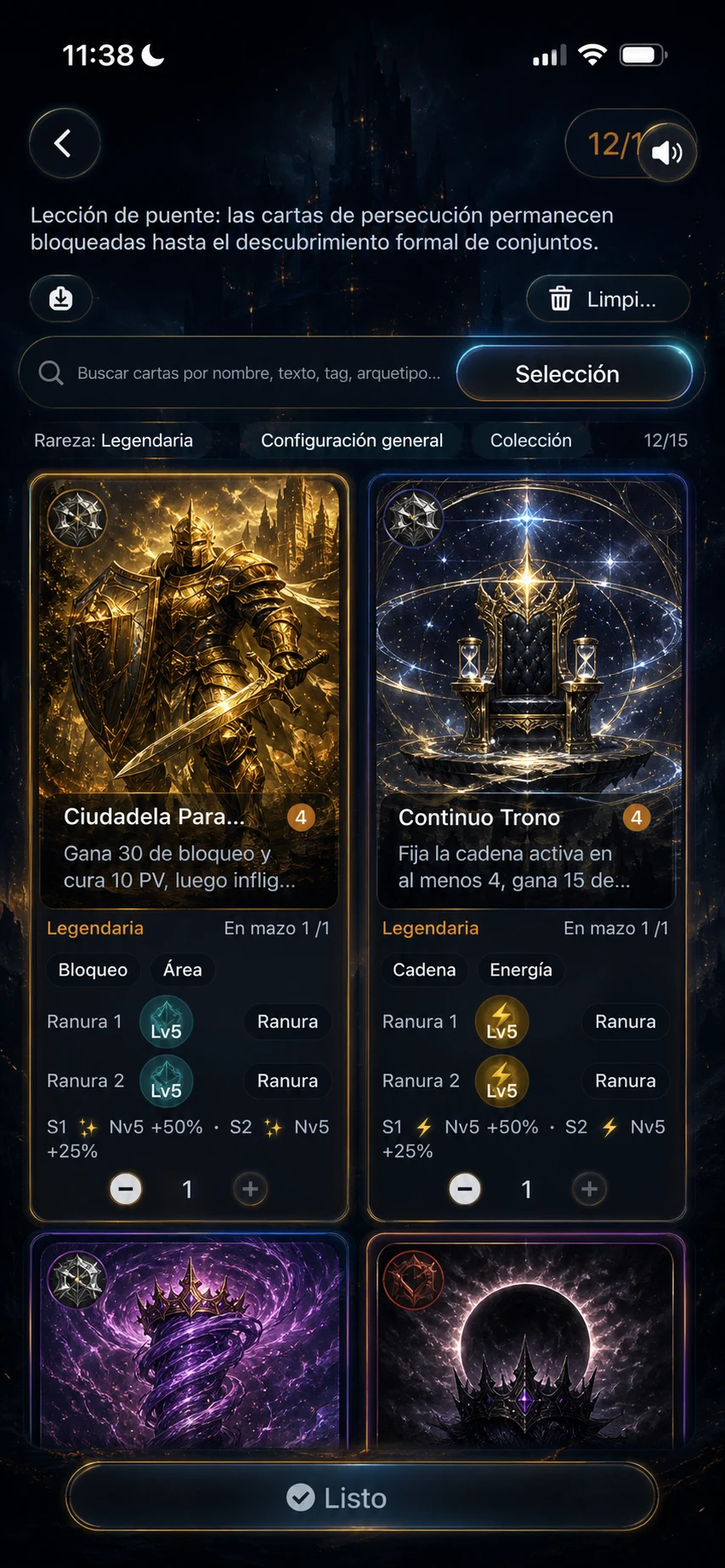
Rarity, element, tag, and cost turn the collection into a workshop: find synergies, adjust slots, and enter the tower with a plan.
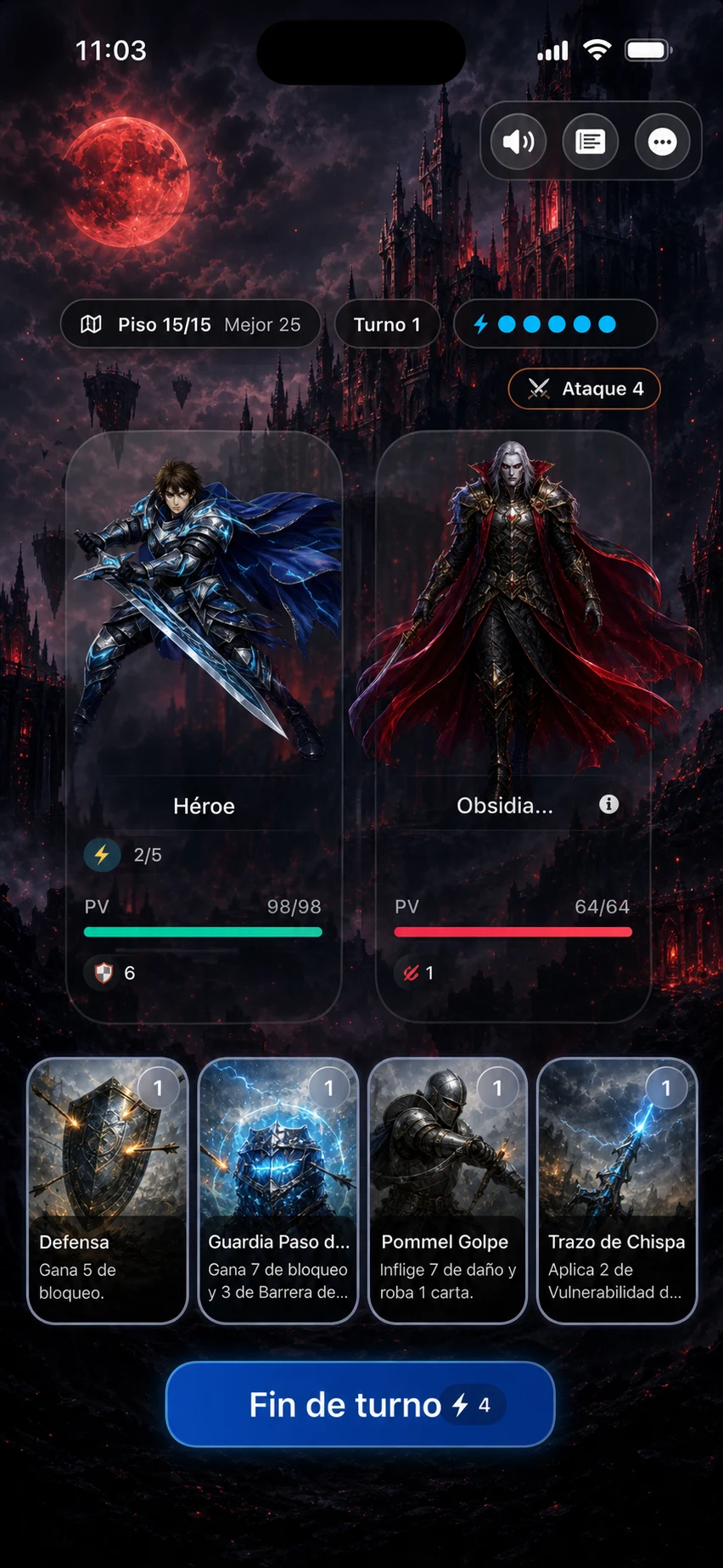
04 · Read Enemies
Pressure starts before the boss: some enemies open with block, some threaten direct attacks, and some punish you if defense or damage arrives late.
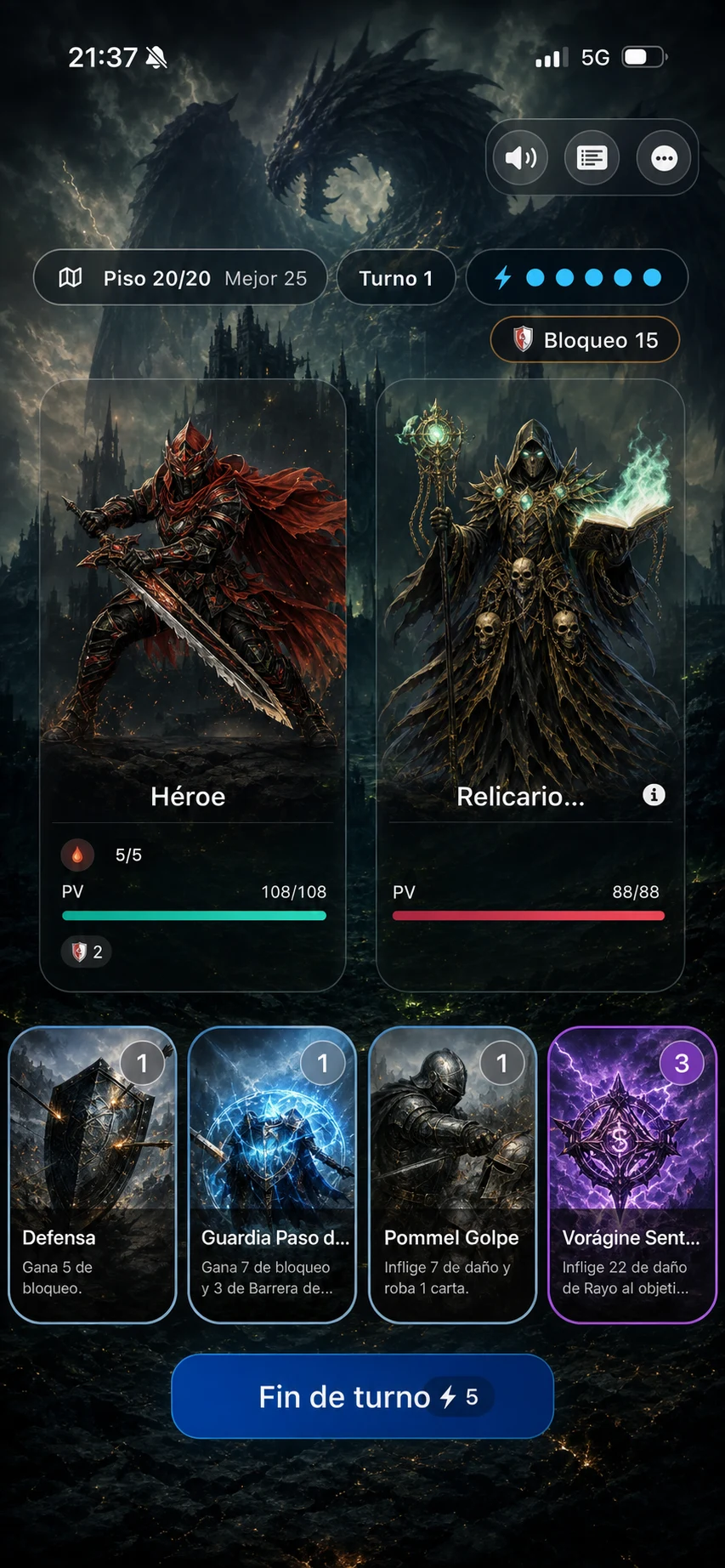
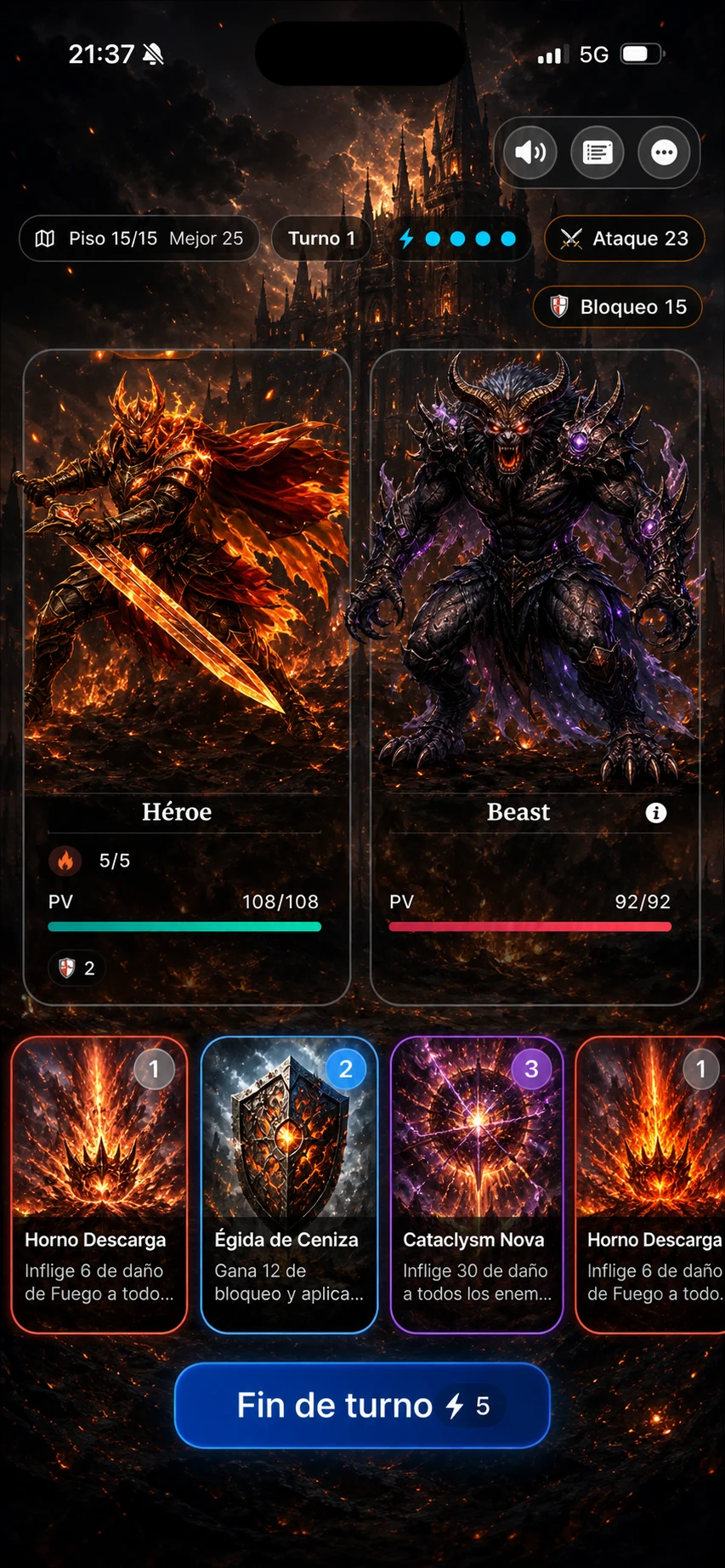
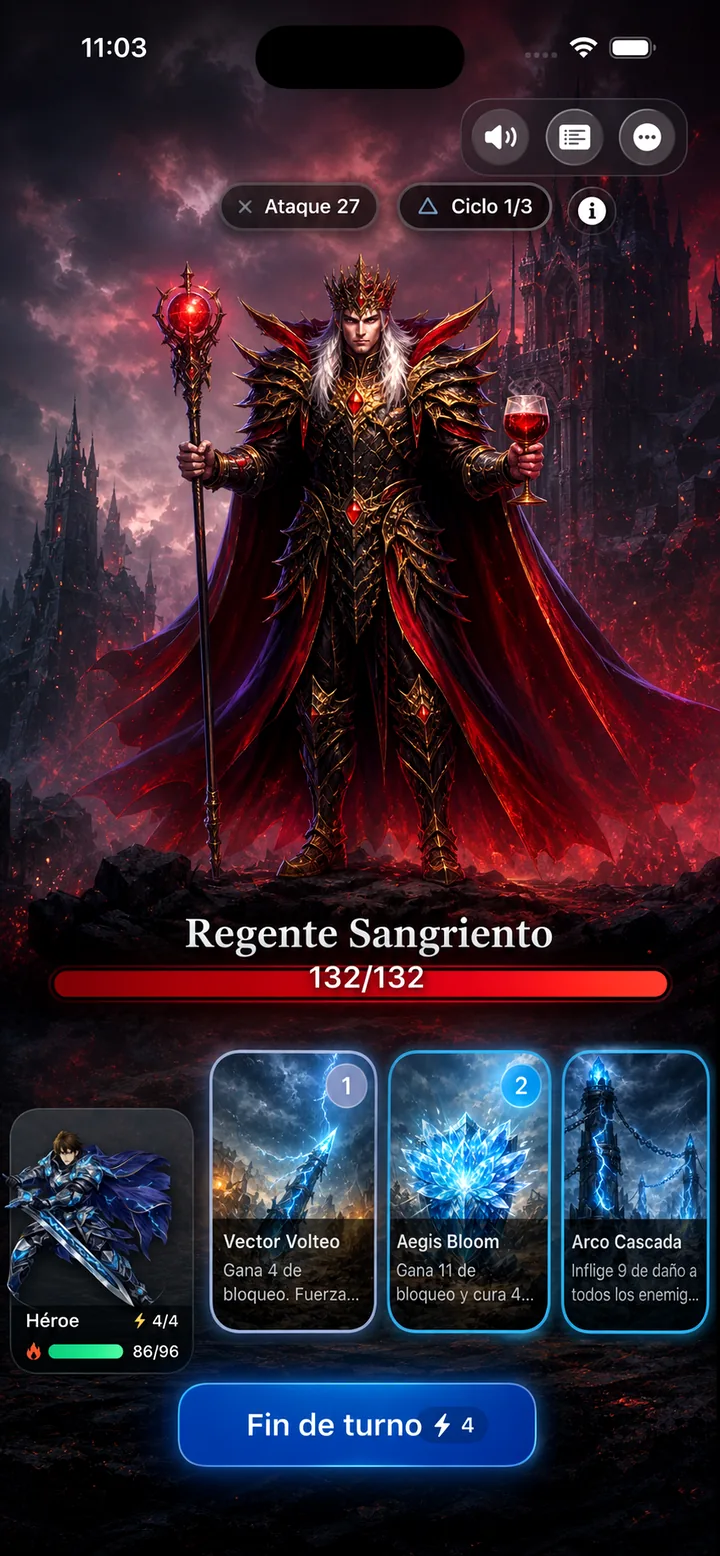
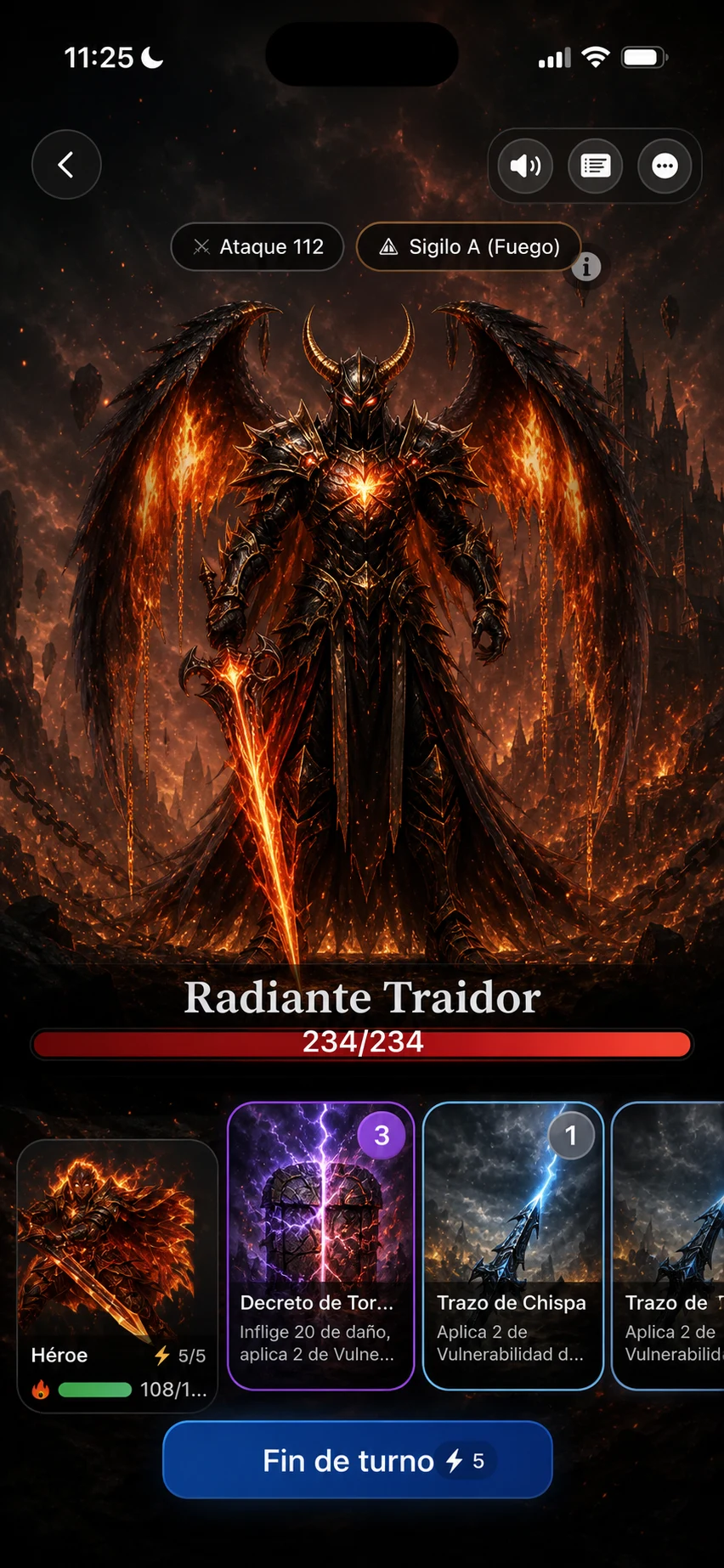
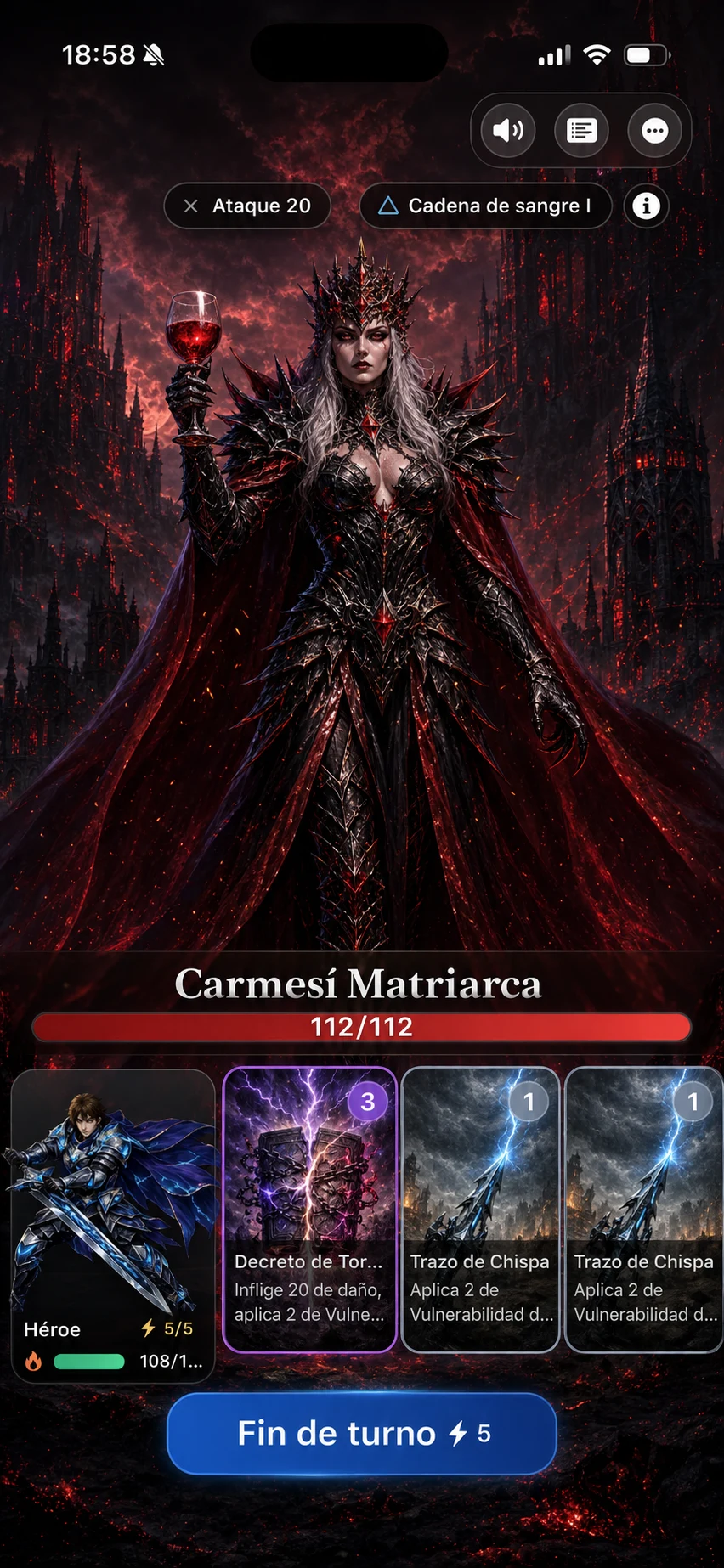
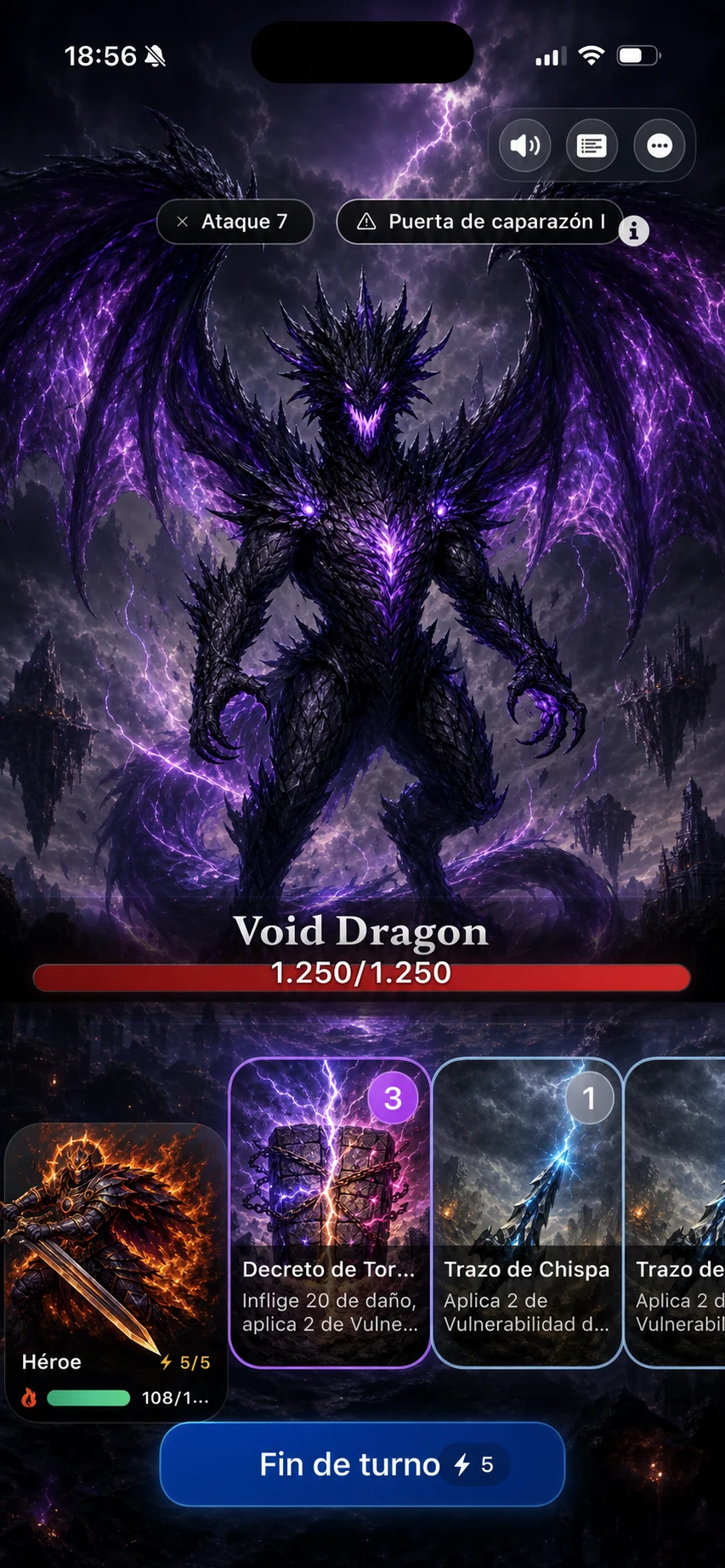
05 · Face Bosses
These are not bigger health bars: bosses bring their own pattern, seal, or chain. Arrive with a tuned deck and decide when to defend, interrupt, or empty the hand.
06 · Claim Rewards
A clear does not end on a summary screen: rare cards and set pieces open new defense, damage, or energy lines for the next attempt.
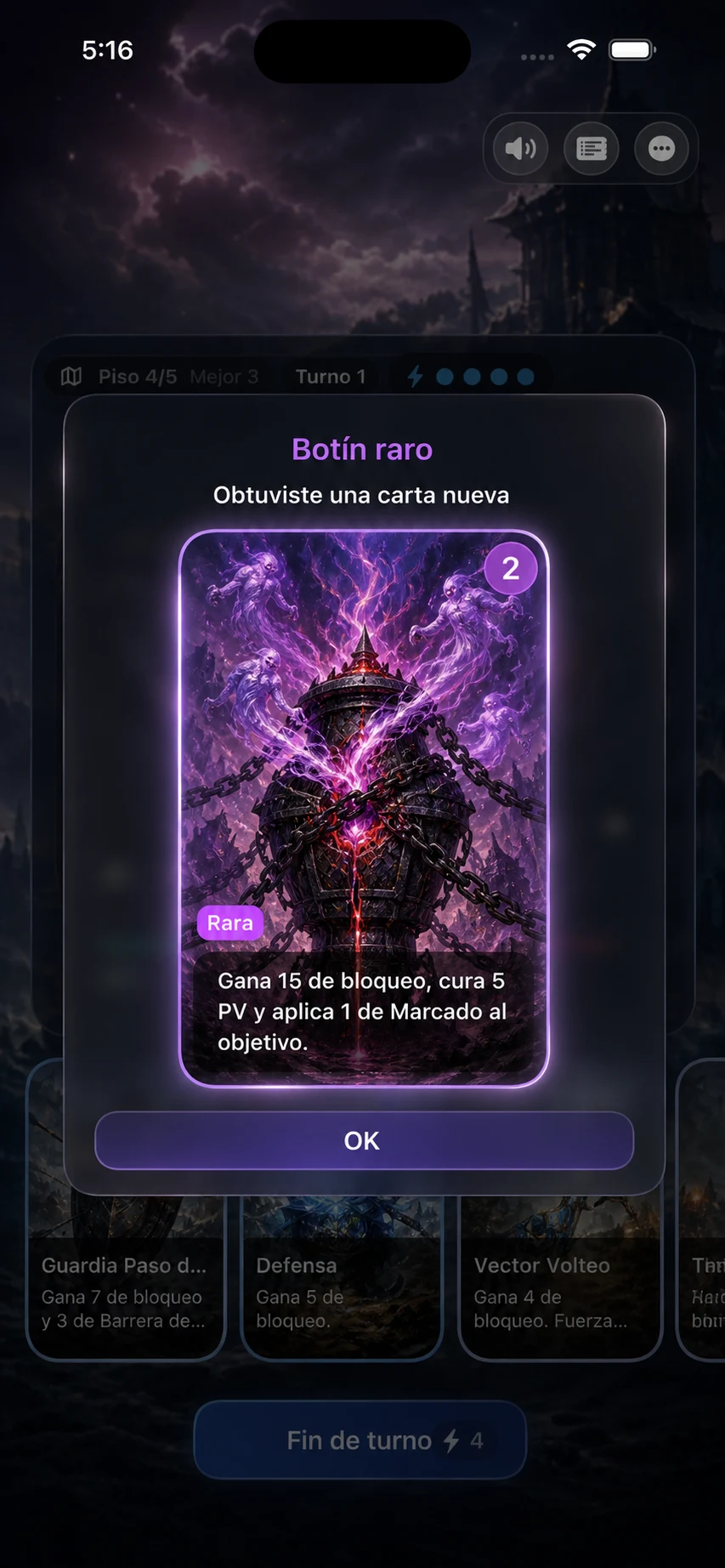
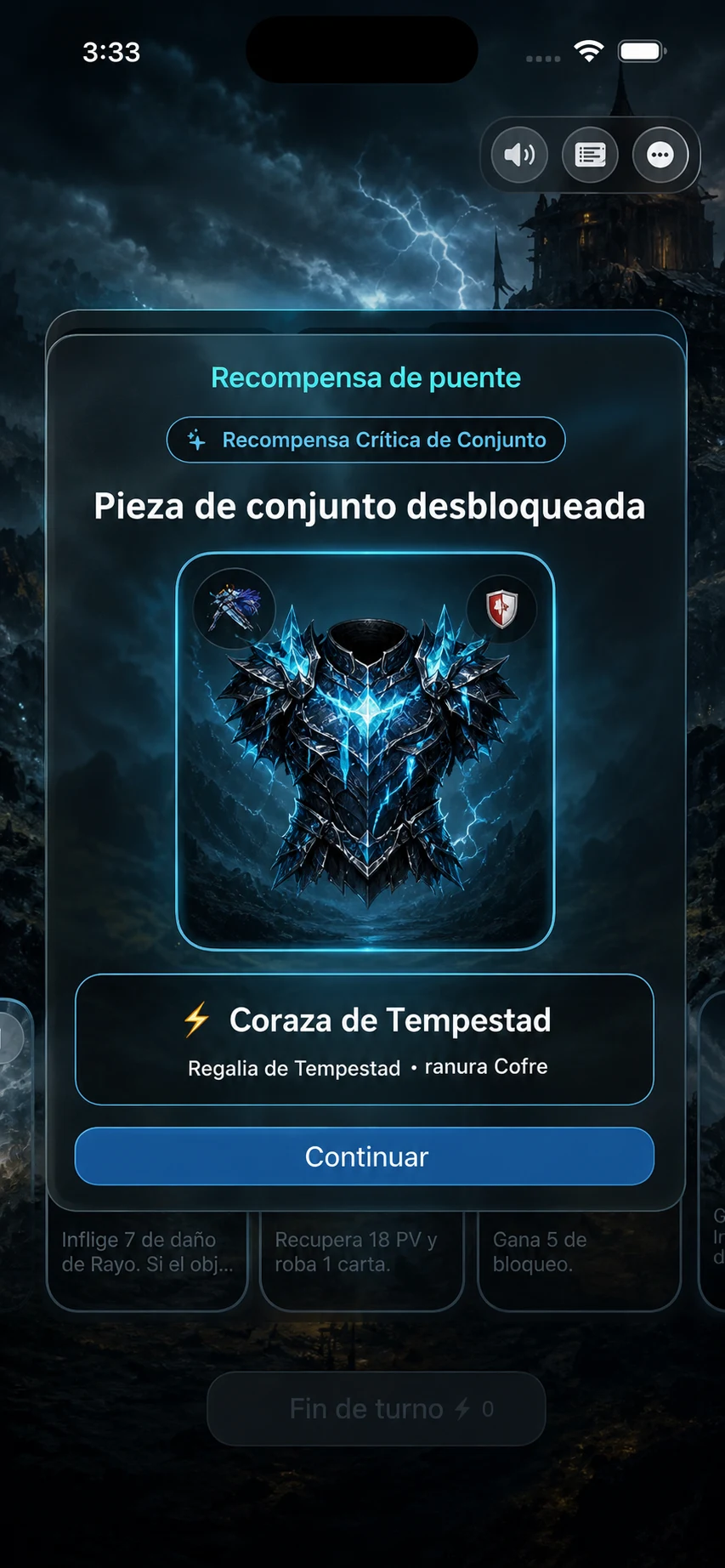
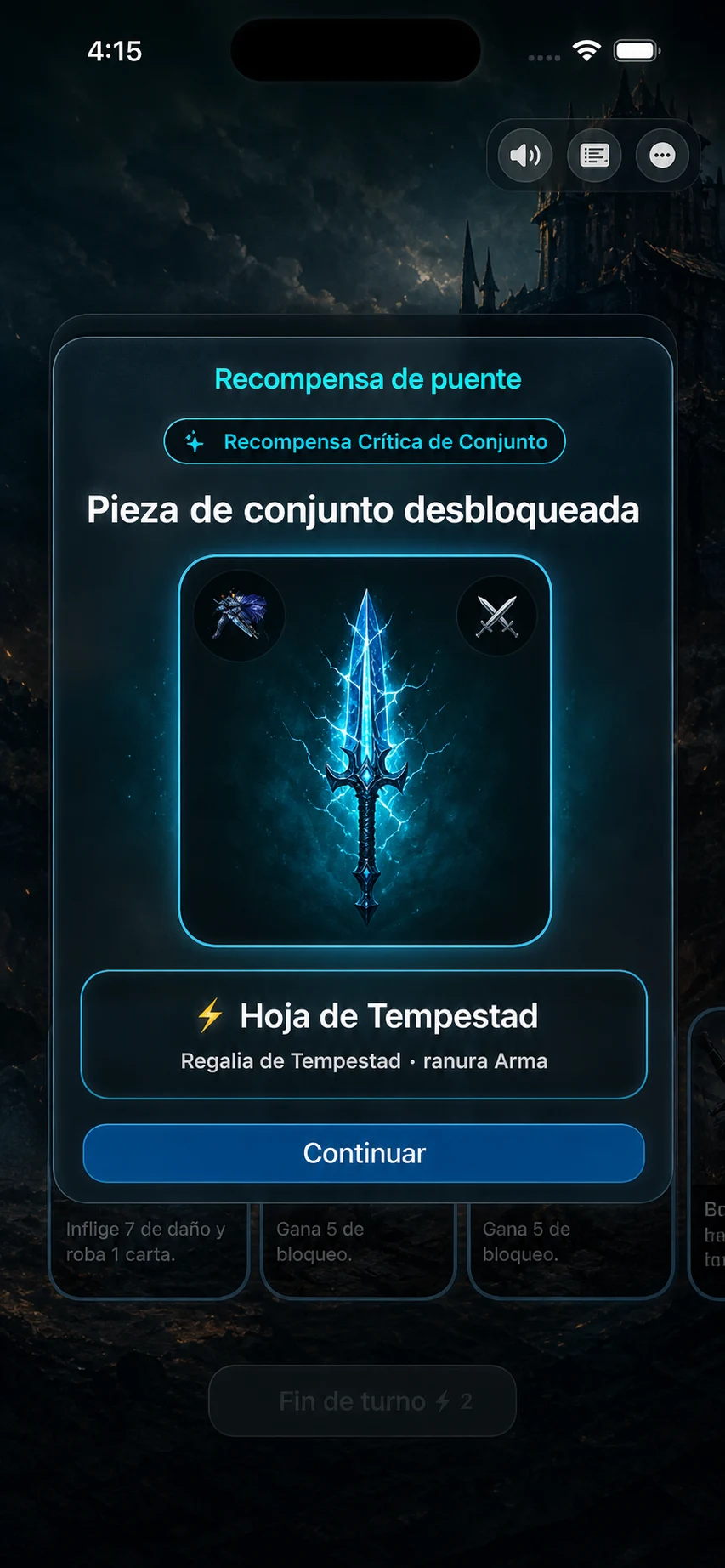
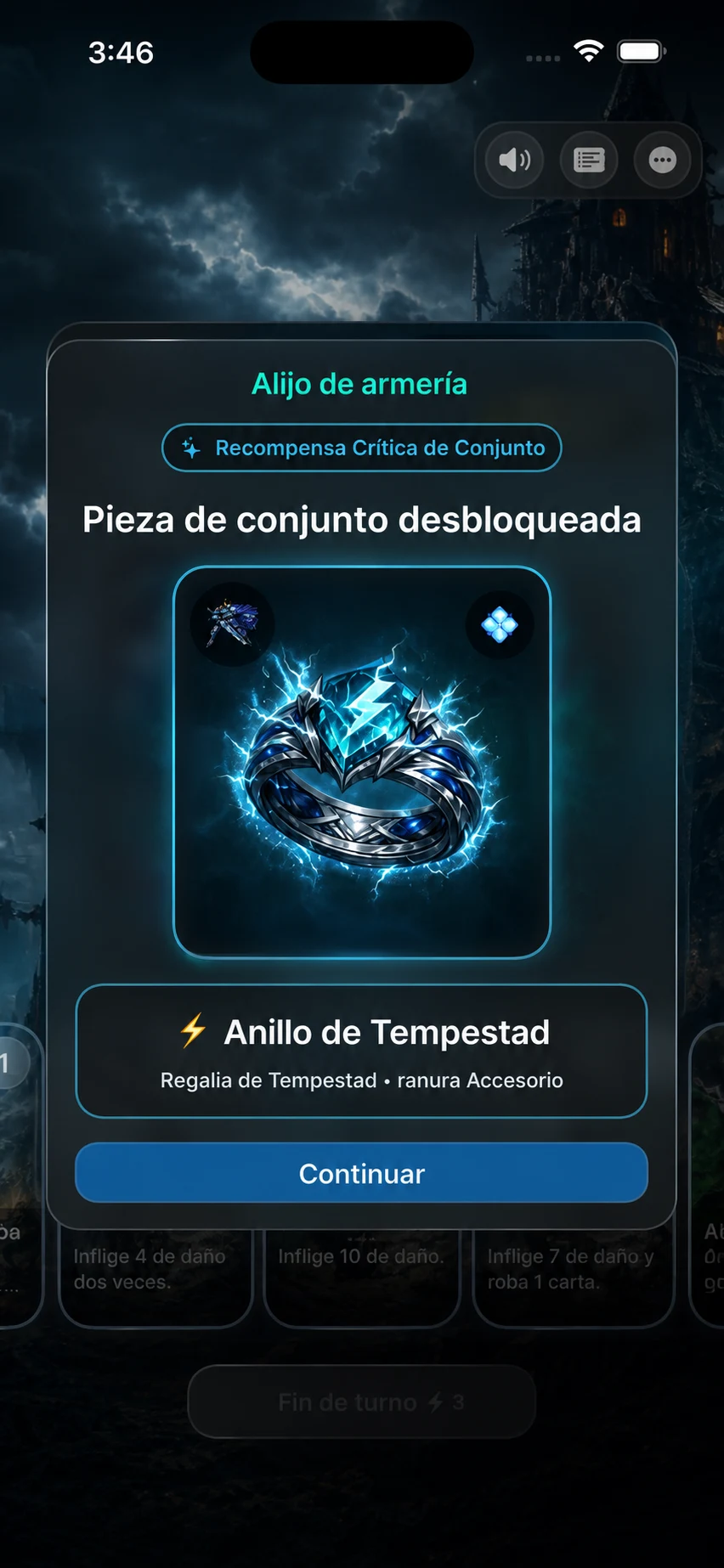
Not idle and not a stat sheet: choose risk, defense, and damage windows in short sessions.
Each bracket opens a set and a new kind of pressure. Beat the boss, then return with a sharper build.
Each tier has a target set. Collecting pieces is not cosmetic: it defines whether you lean aggressive, defensive, sustain, or control.


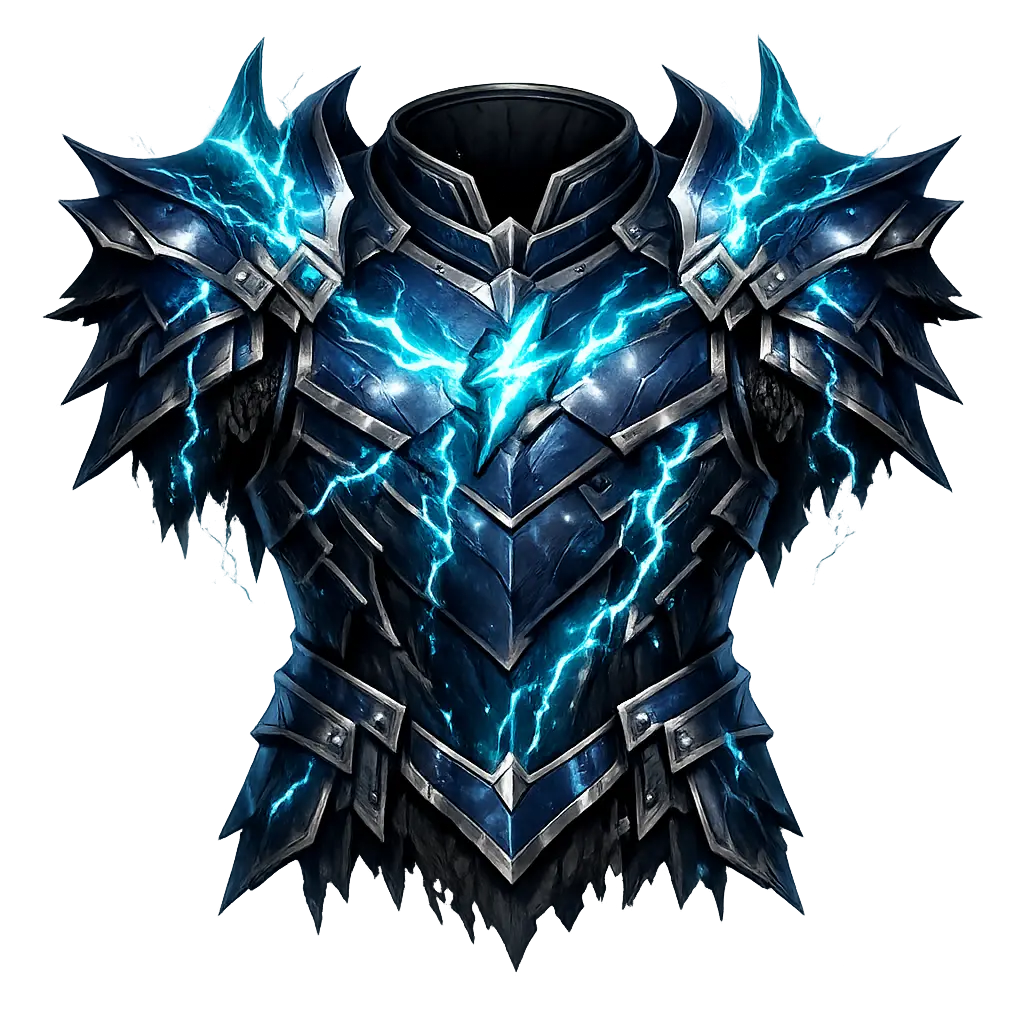
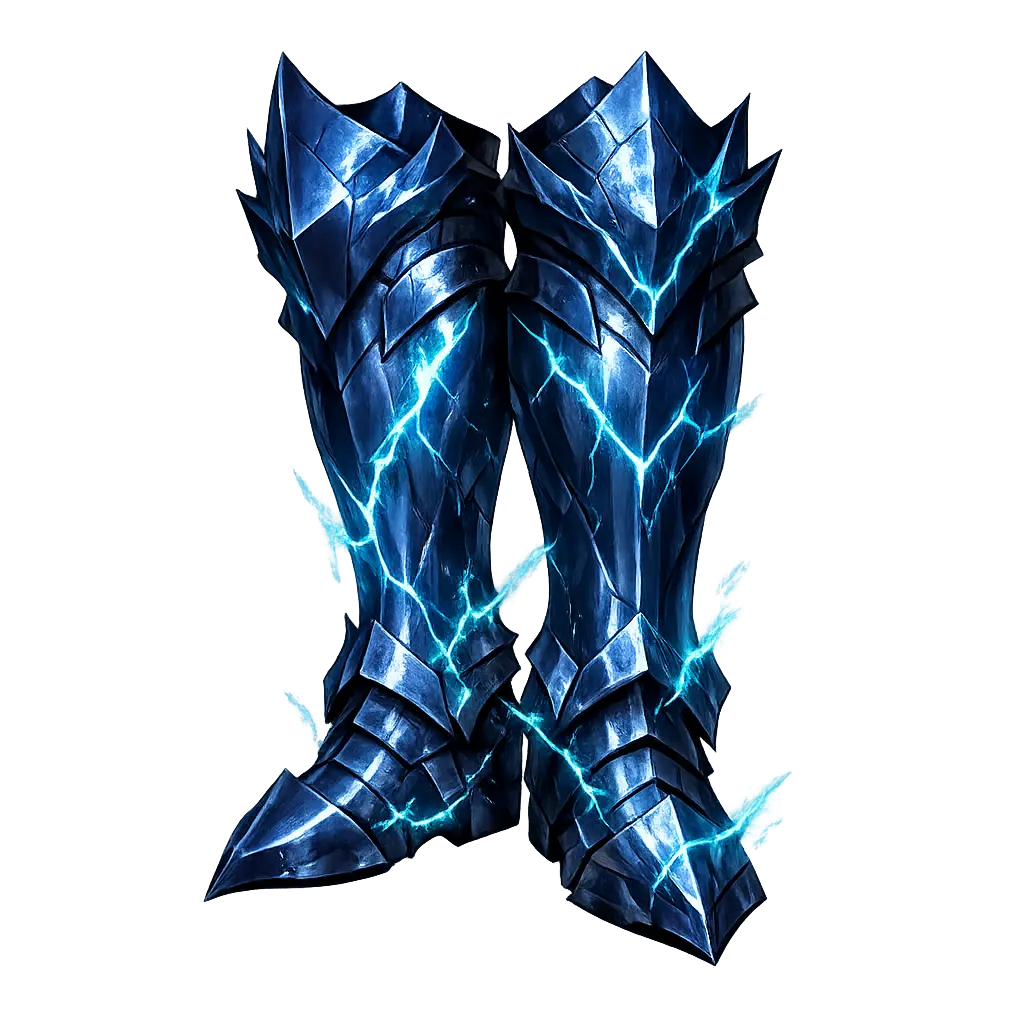


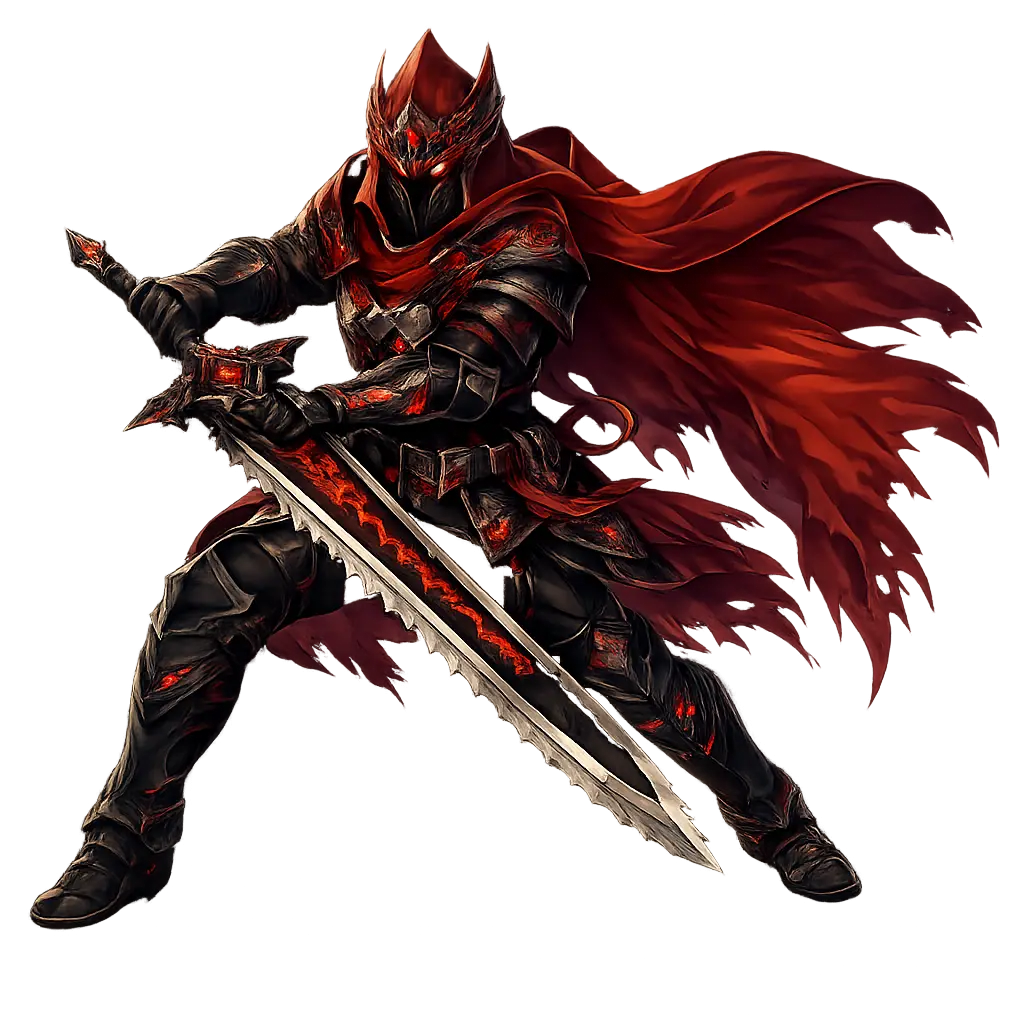

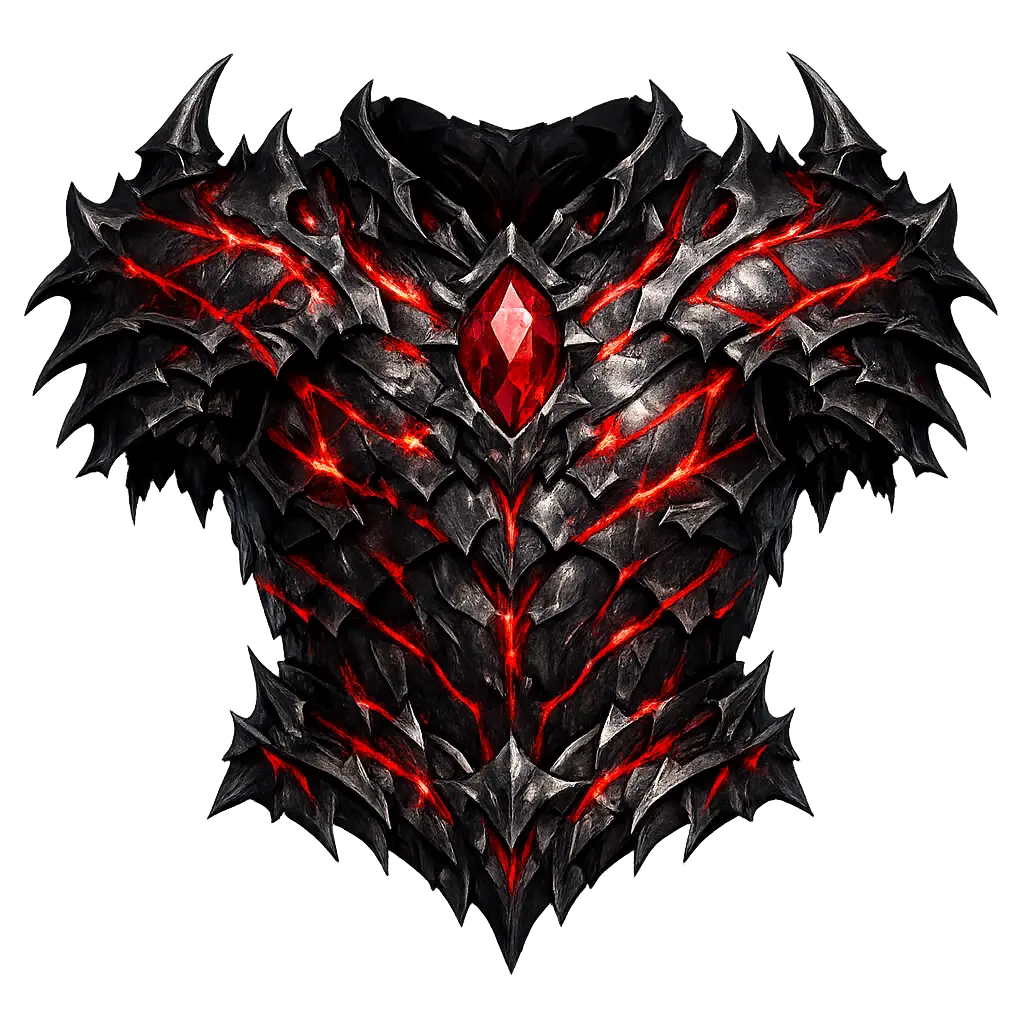
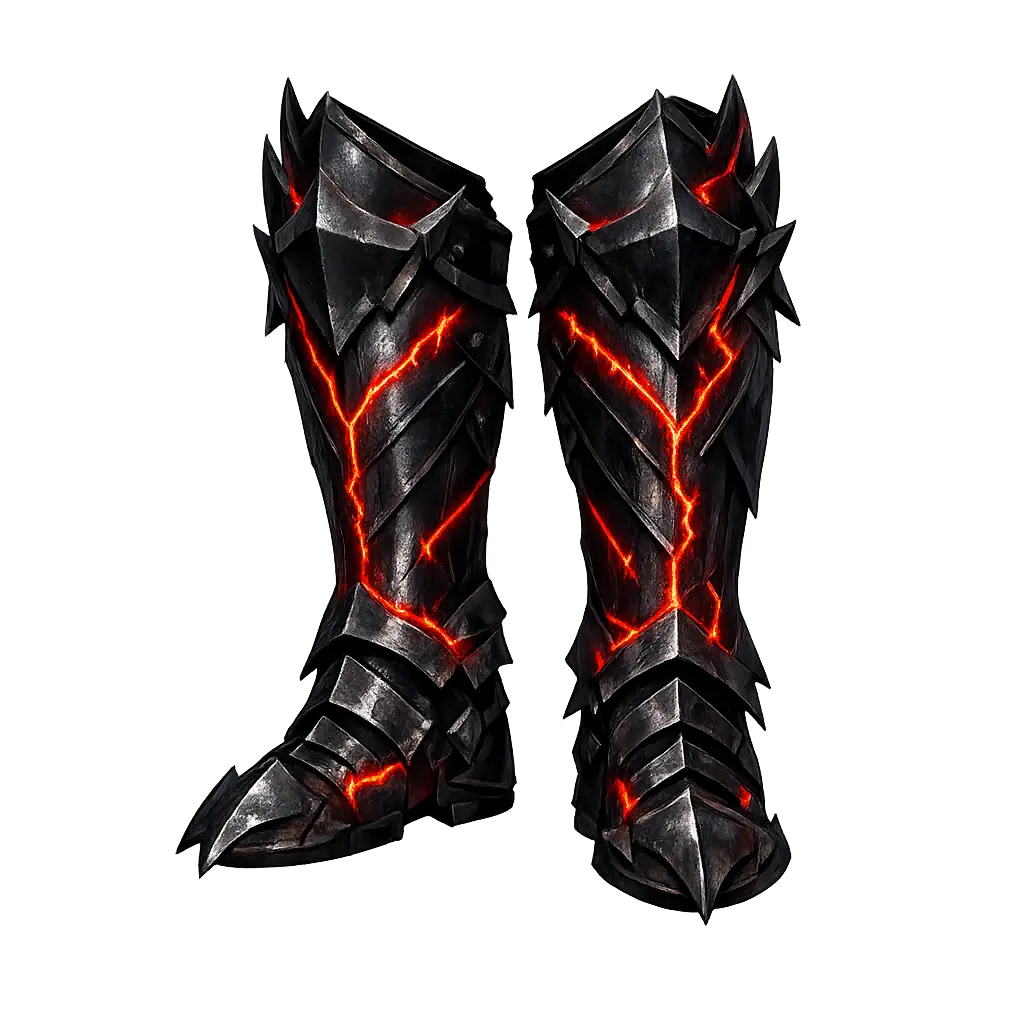
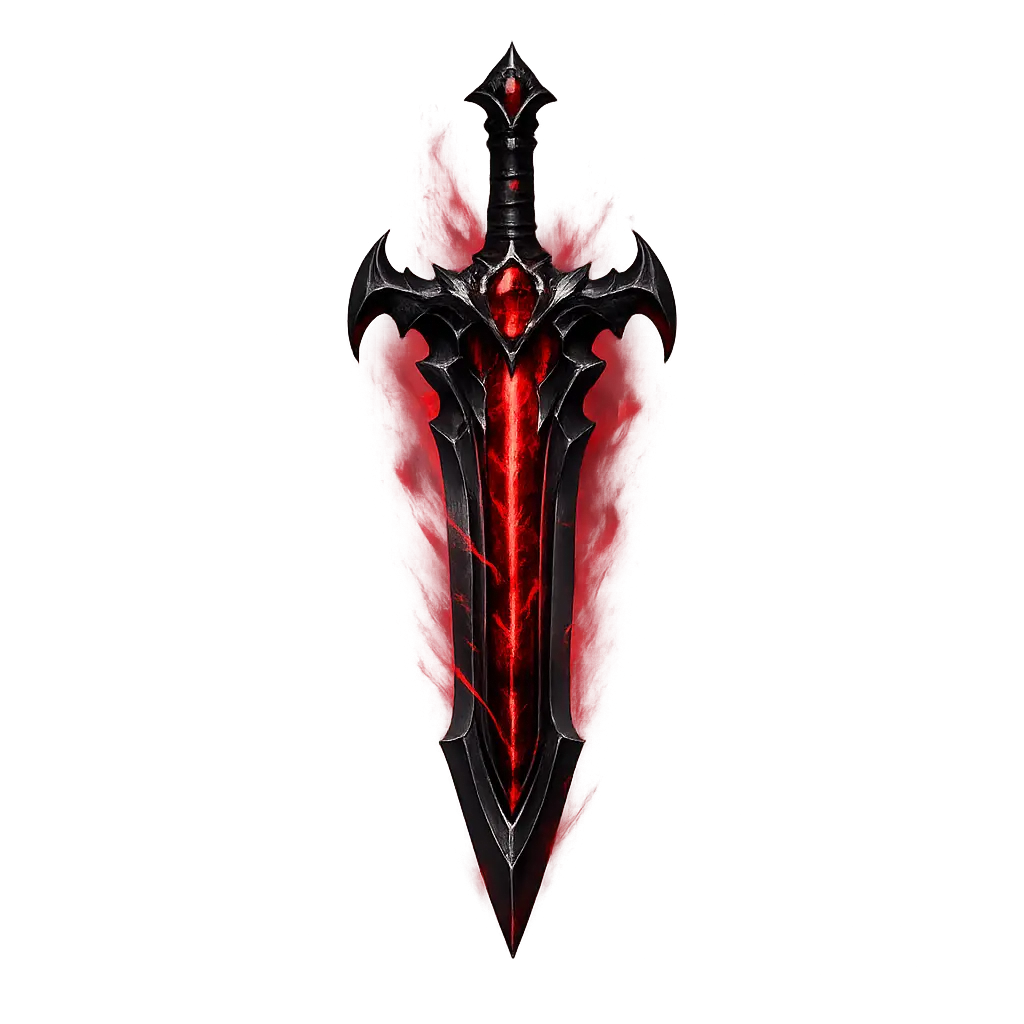

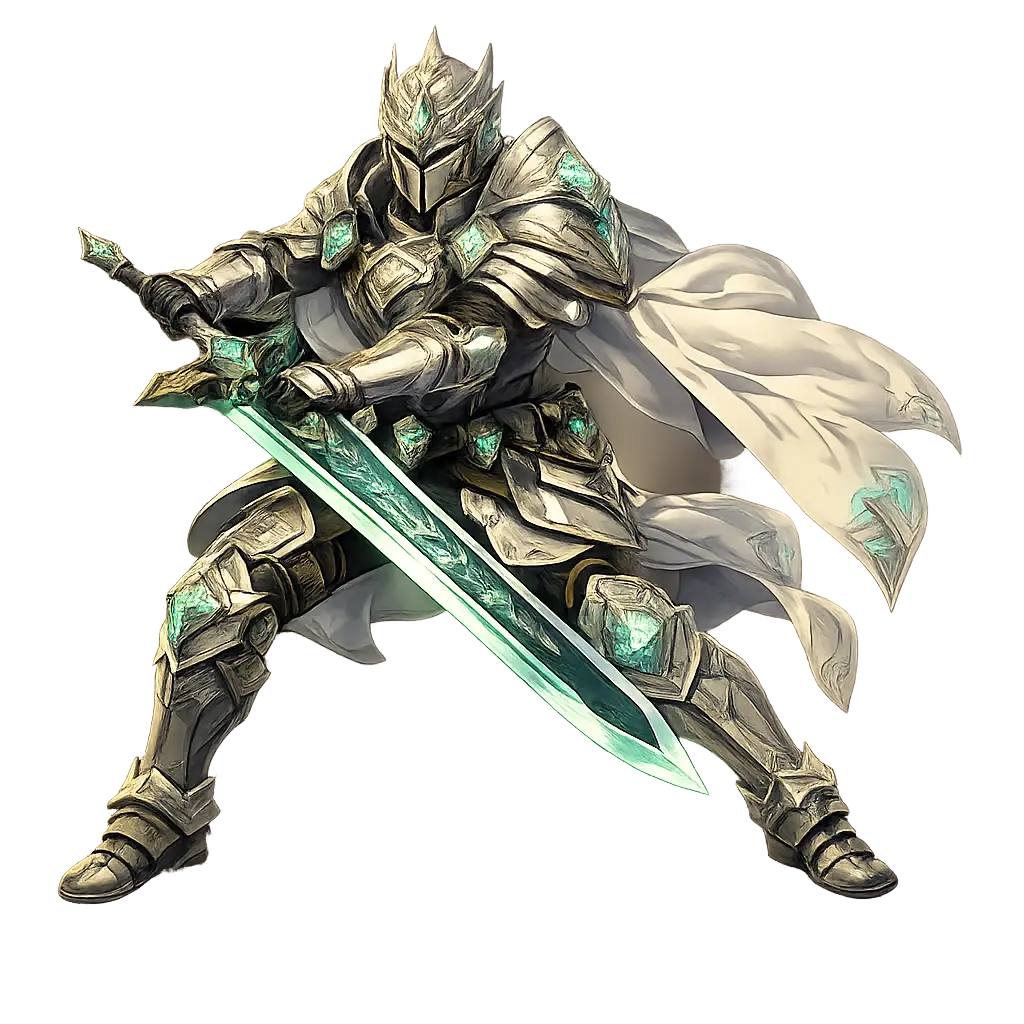

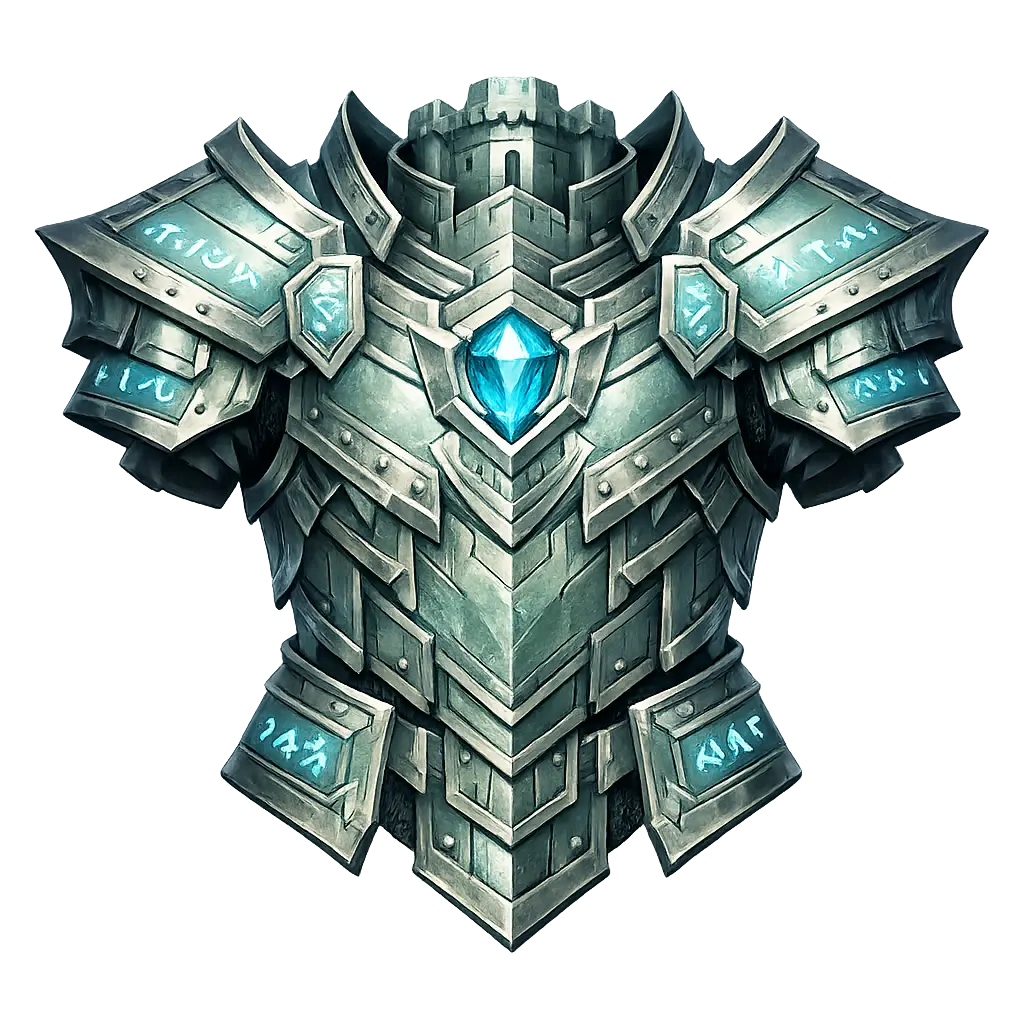
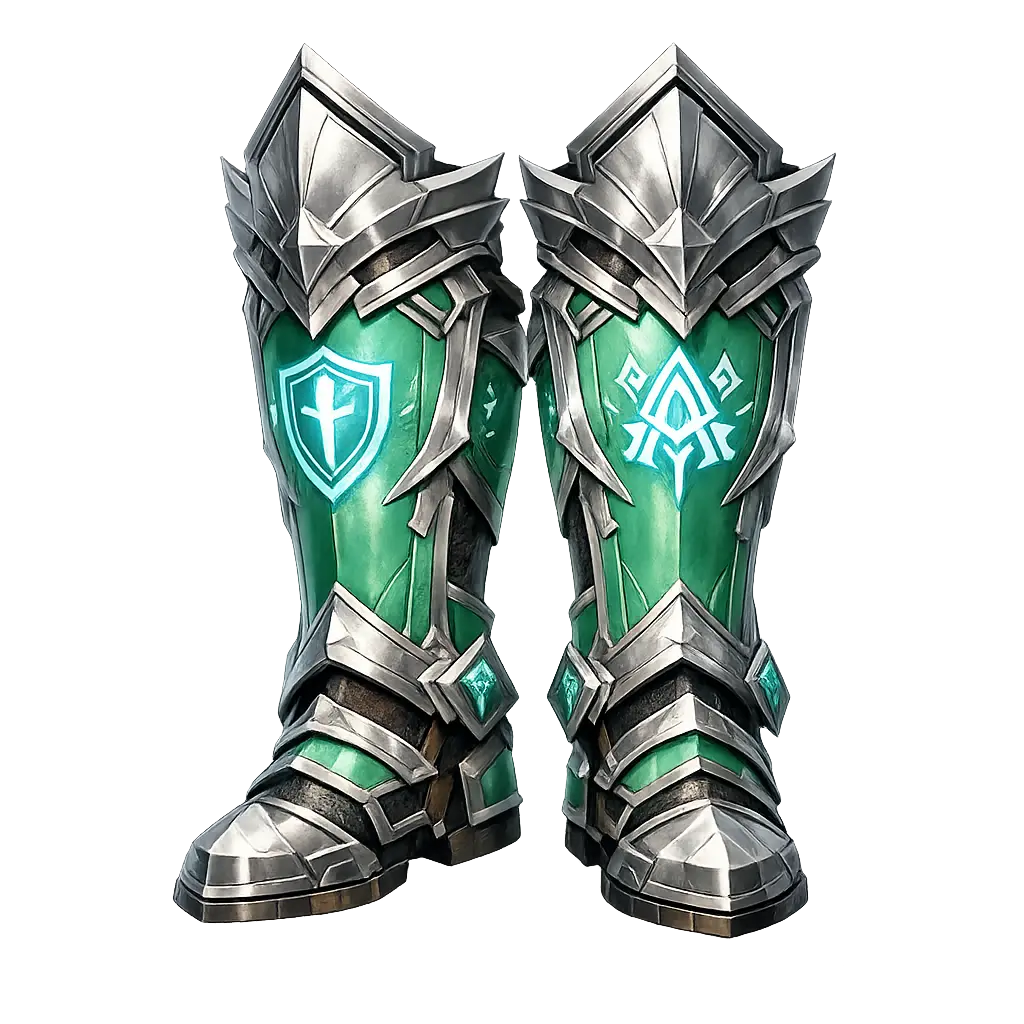
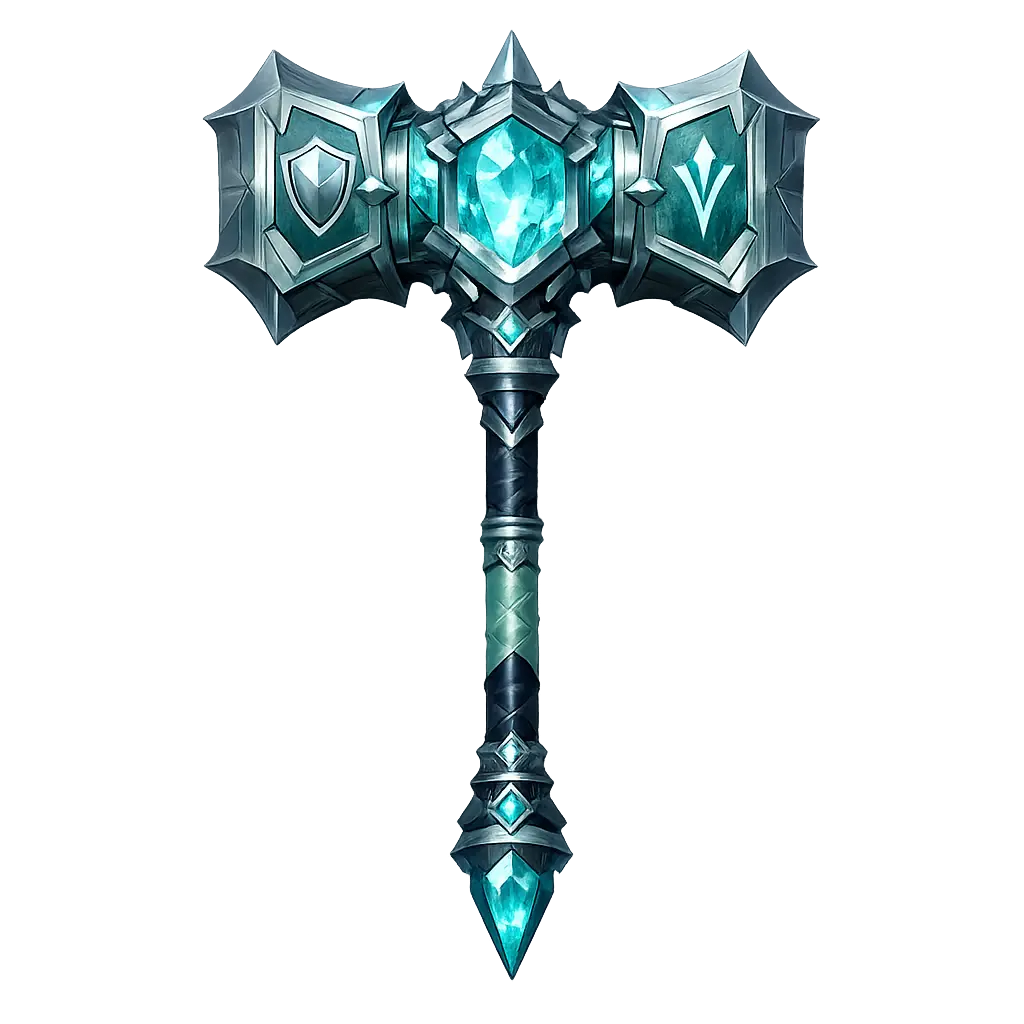



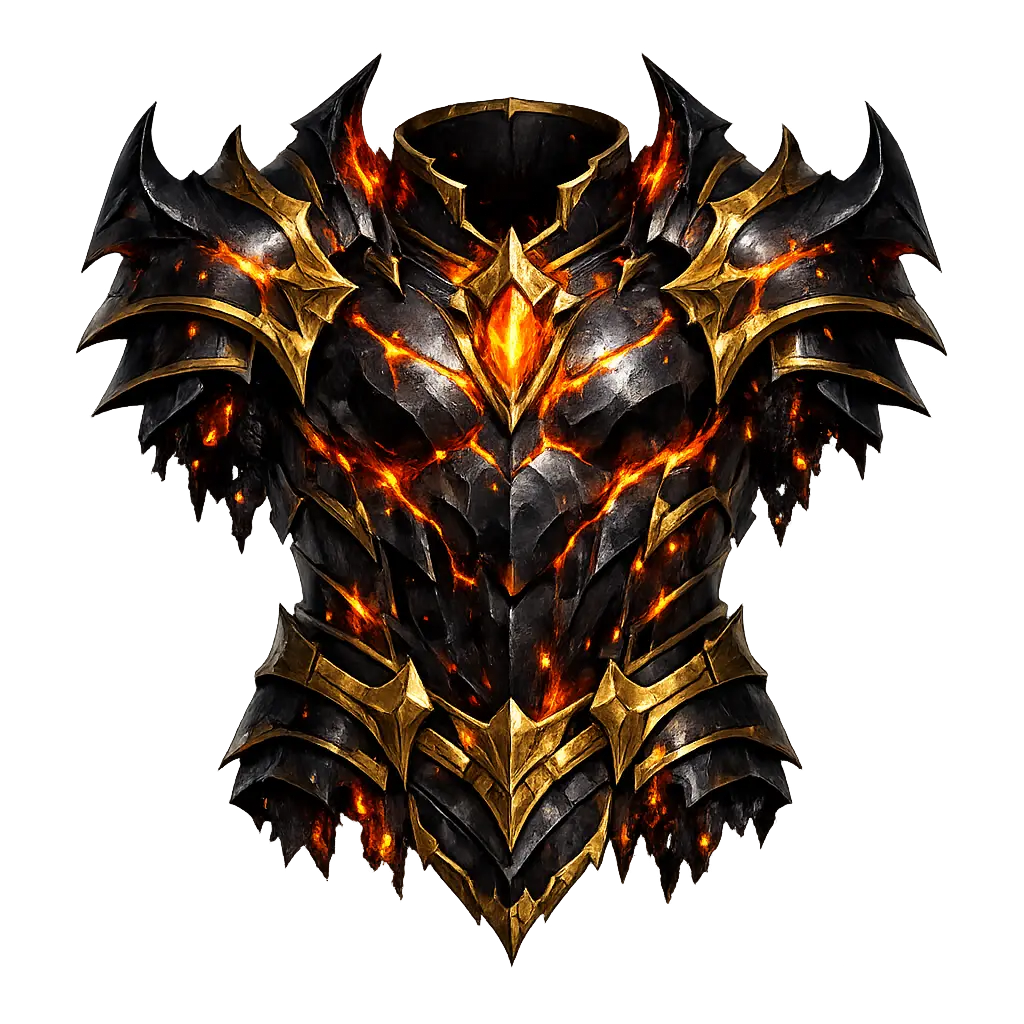
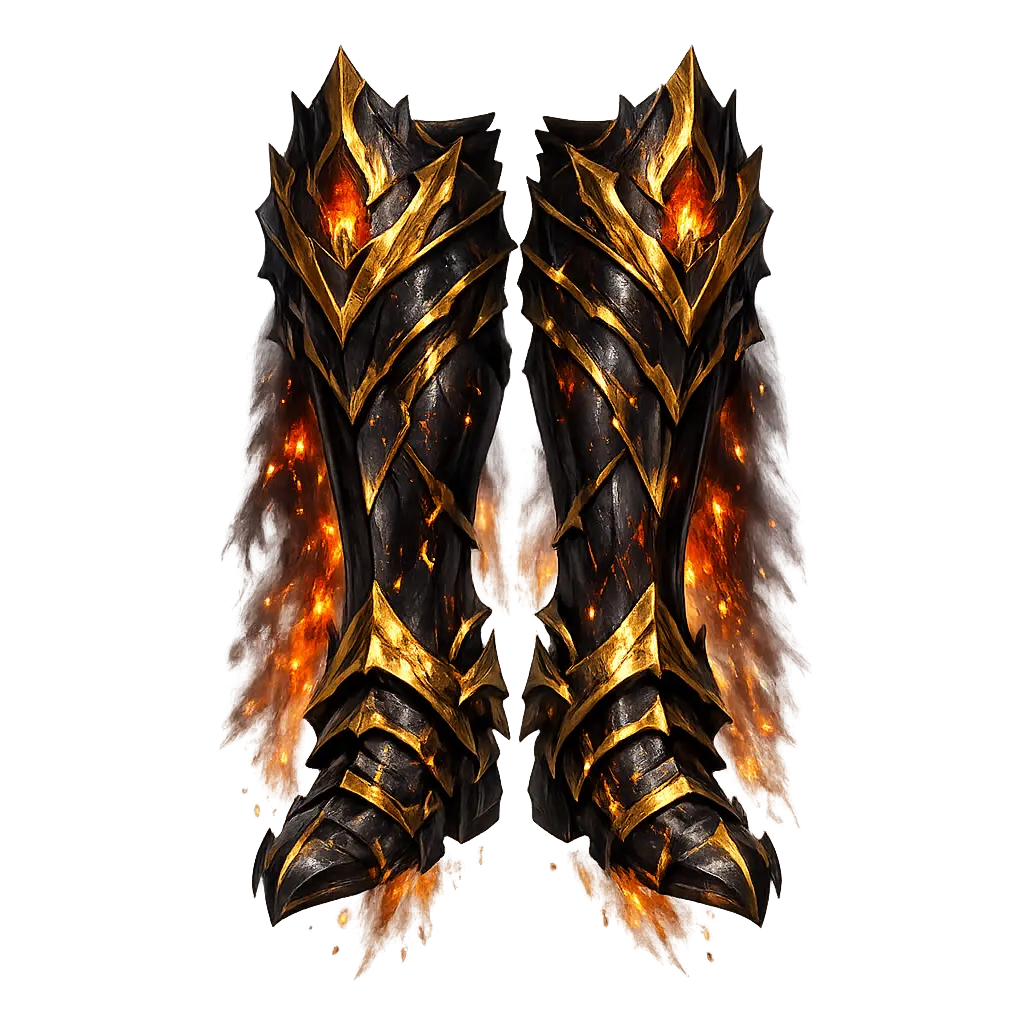
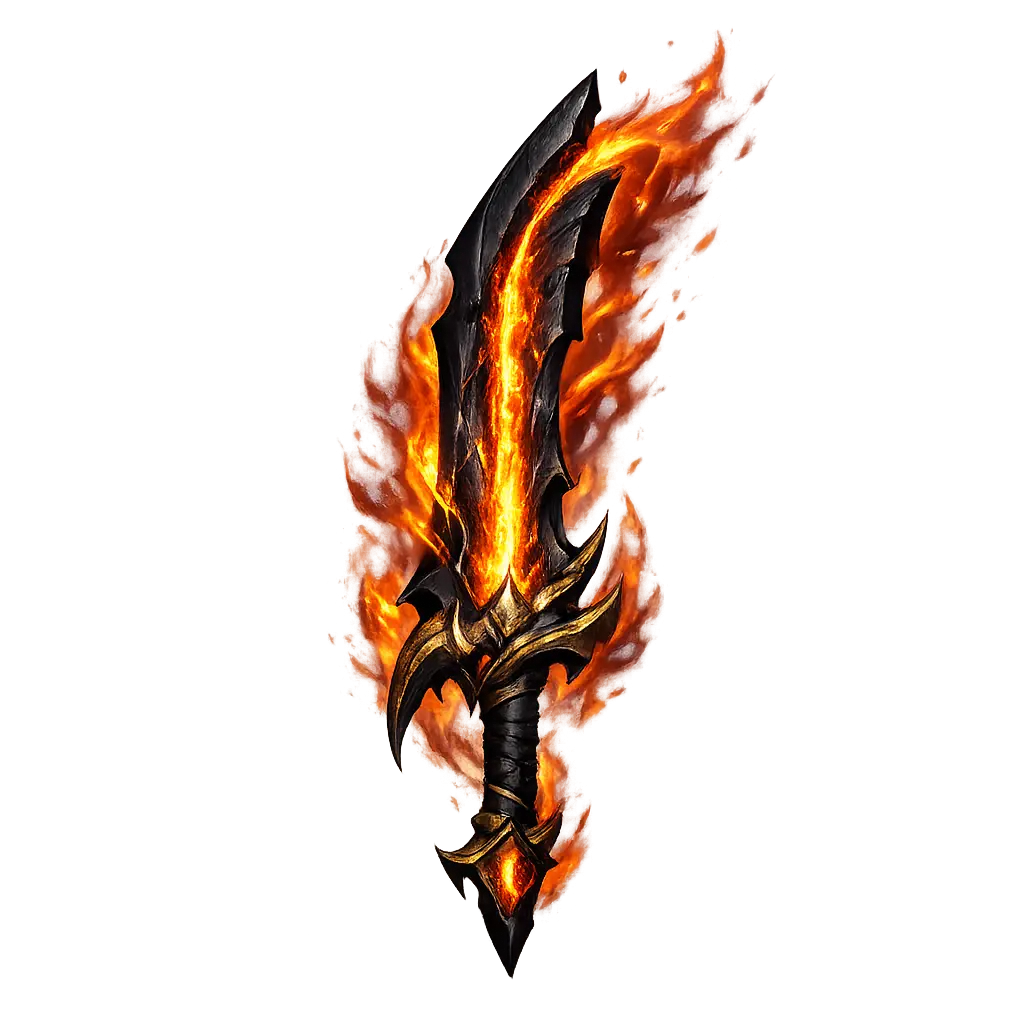



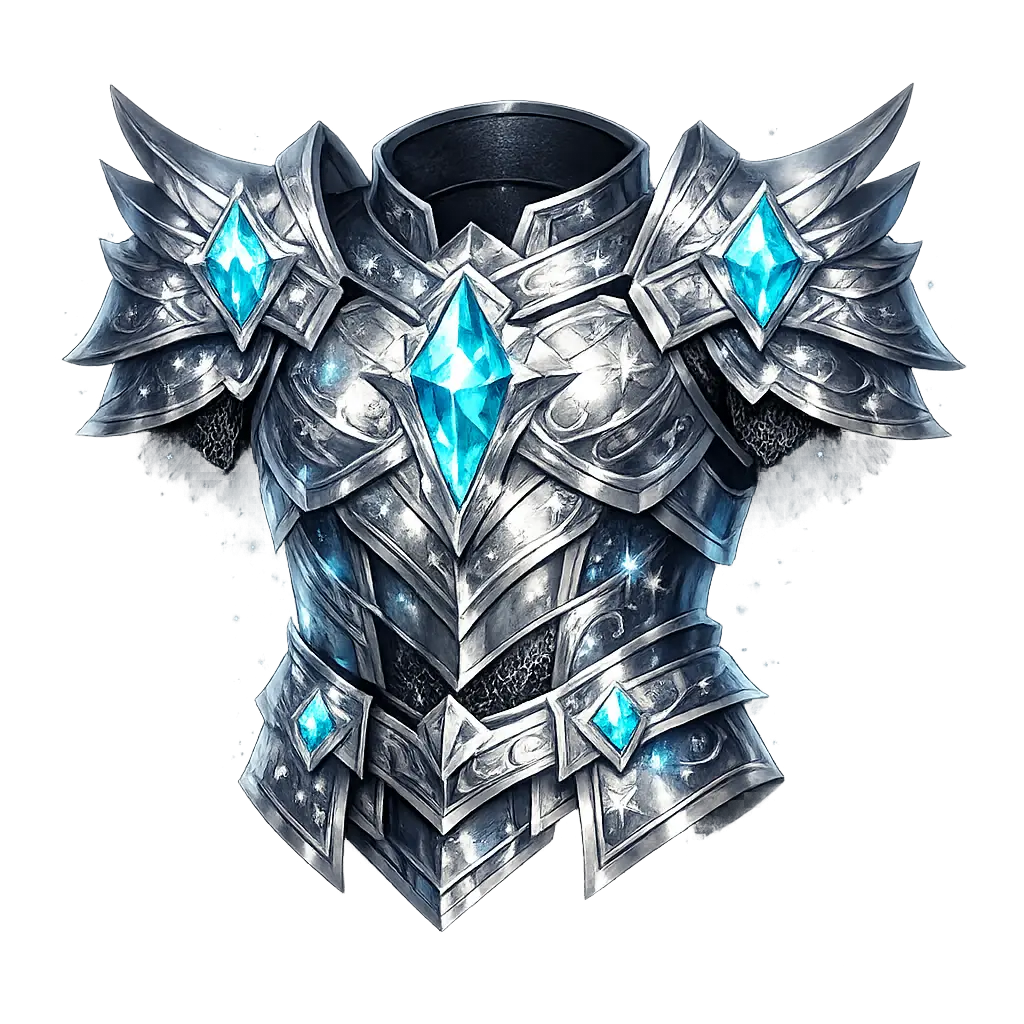





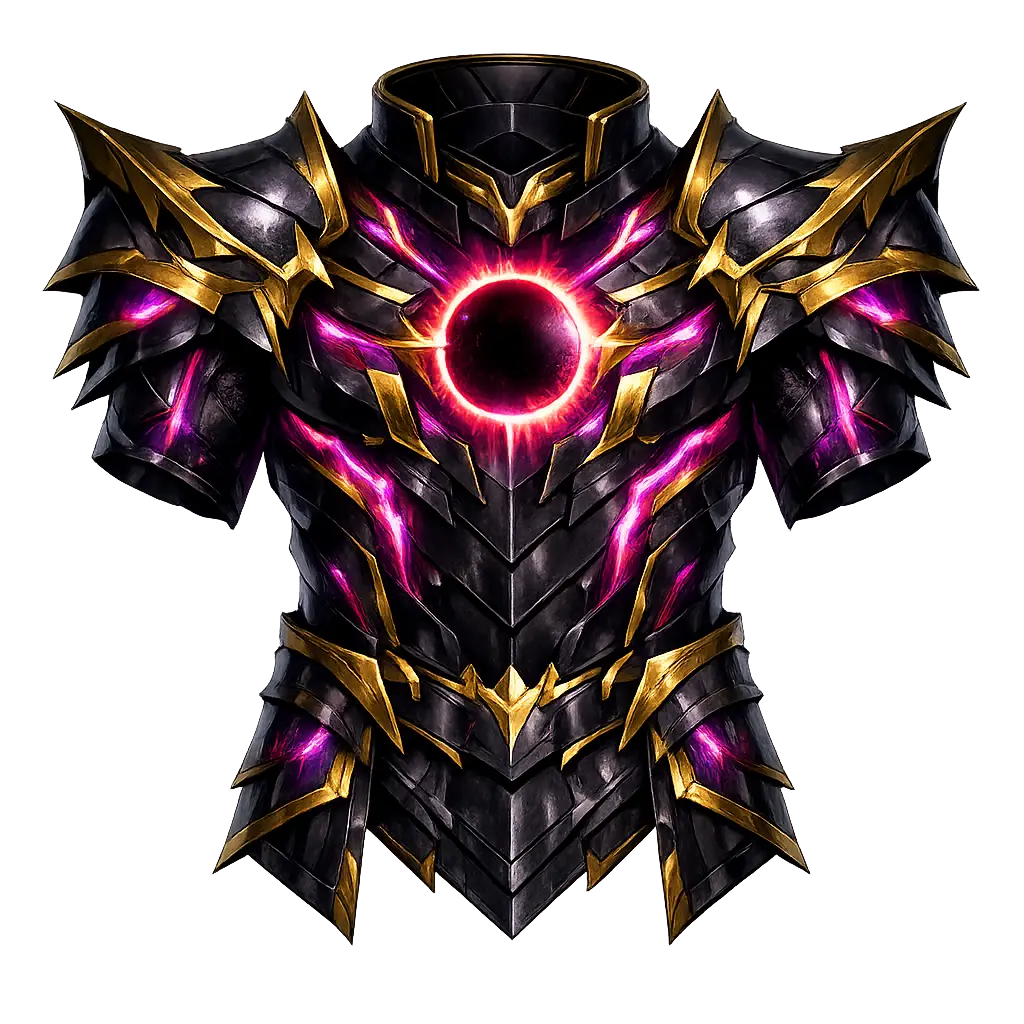



Wiki synced with 150 cards, 87 enemies, and 18 routes for builds, drops, and boss prep.
Open the full set, card, boss, and route matrix in the WikiExplore the routes behind each set. Open a tier to see its biomes and prepare where to farm.
T3 · Campaign entry
Three routes that teach tempo, clean sequencing, and the first set that truly changes your identity.






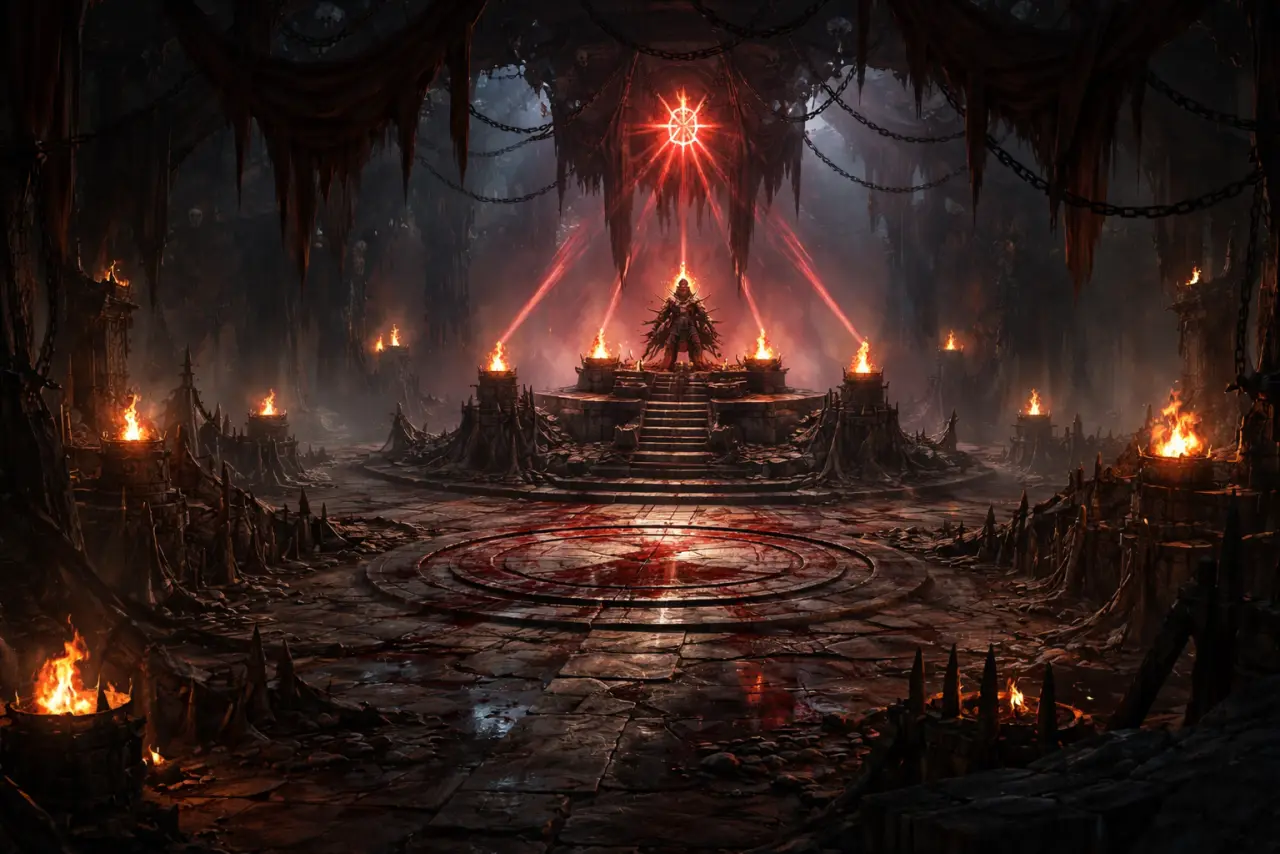

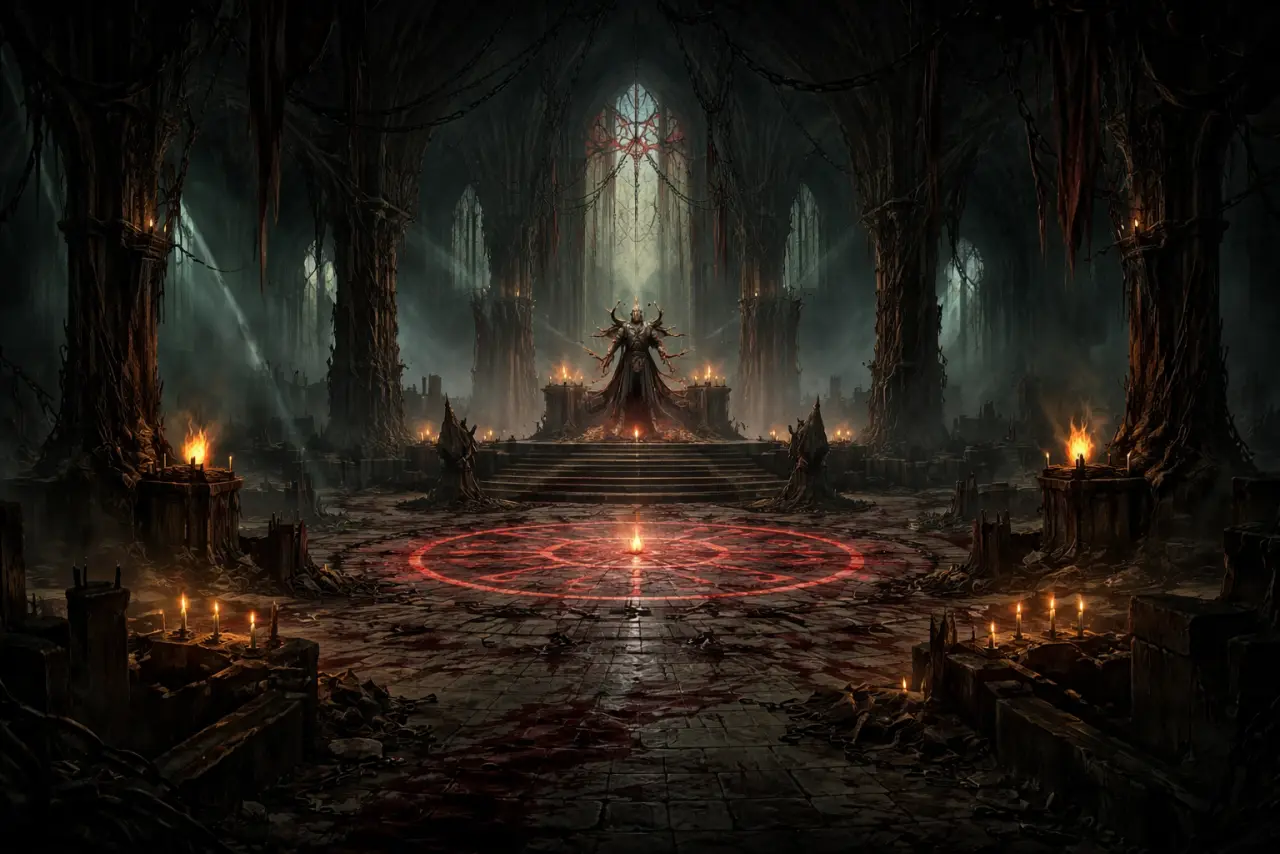
T5 · First real gate
The vampire dominion where attrition, execution, and punishment decide whether a build is truly alive.




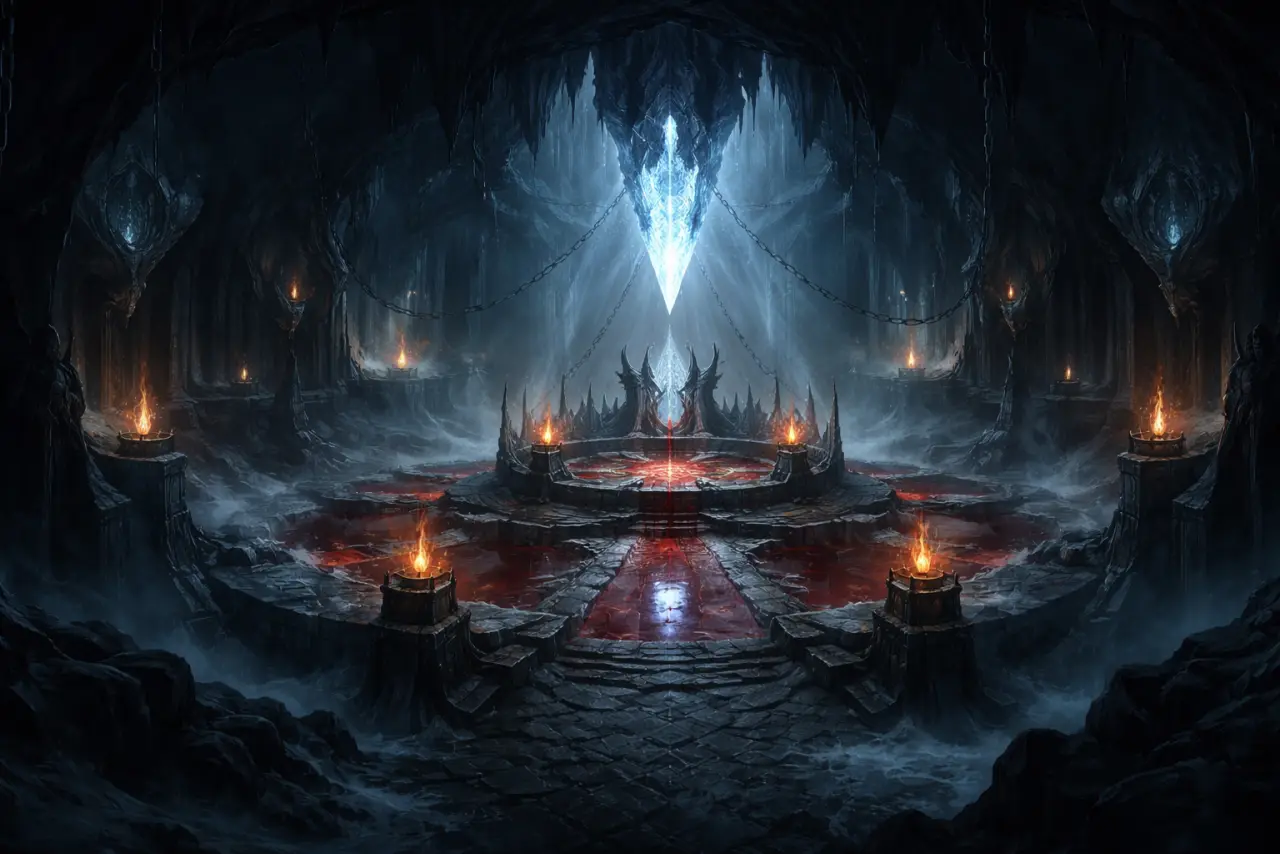
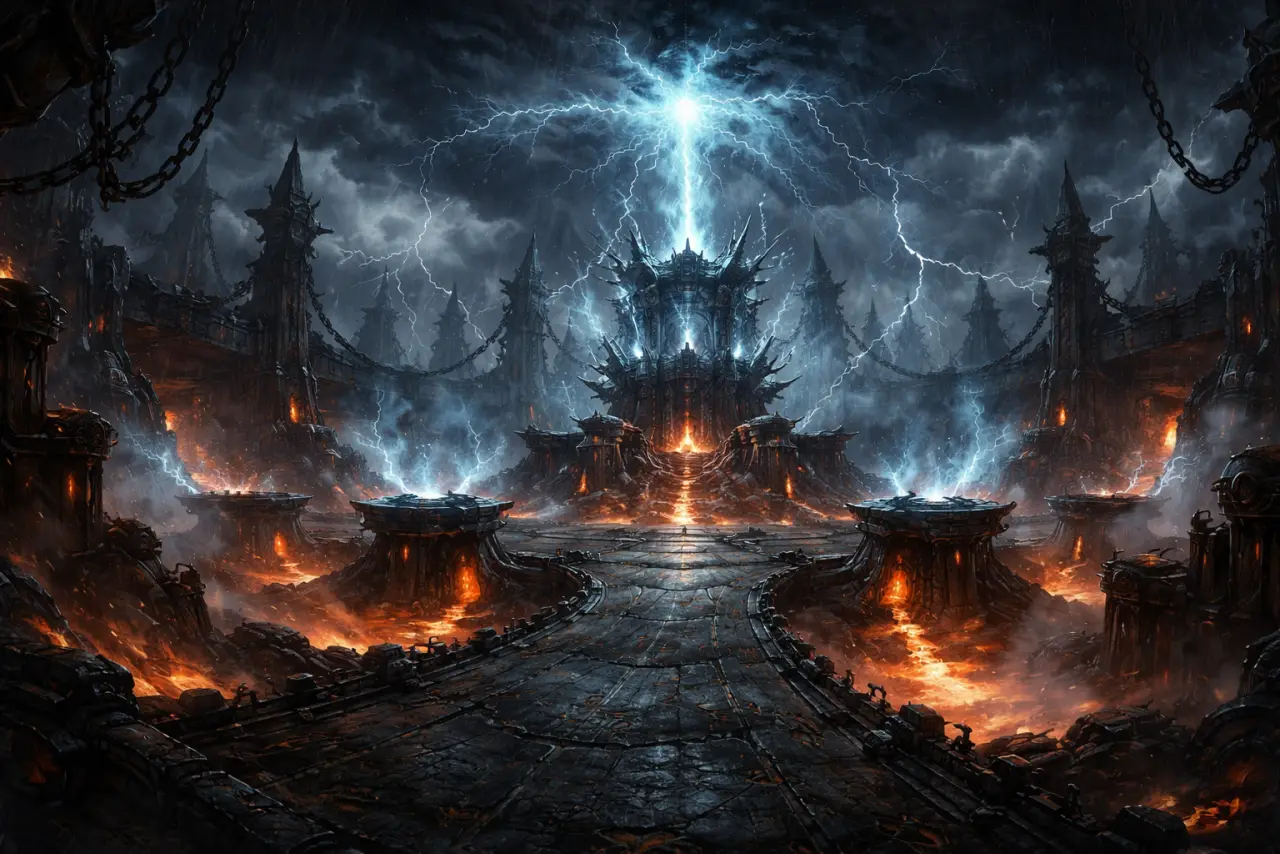
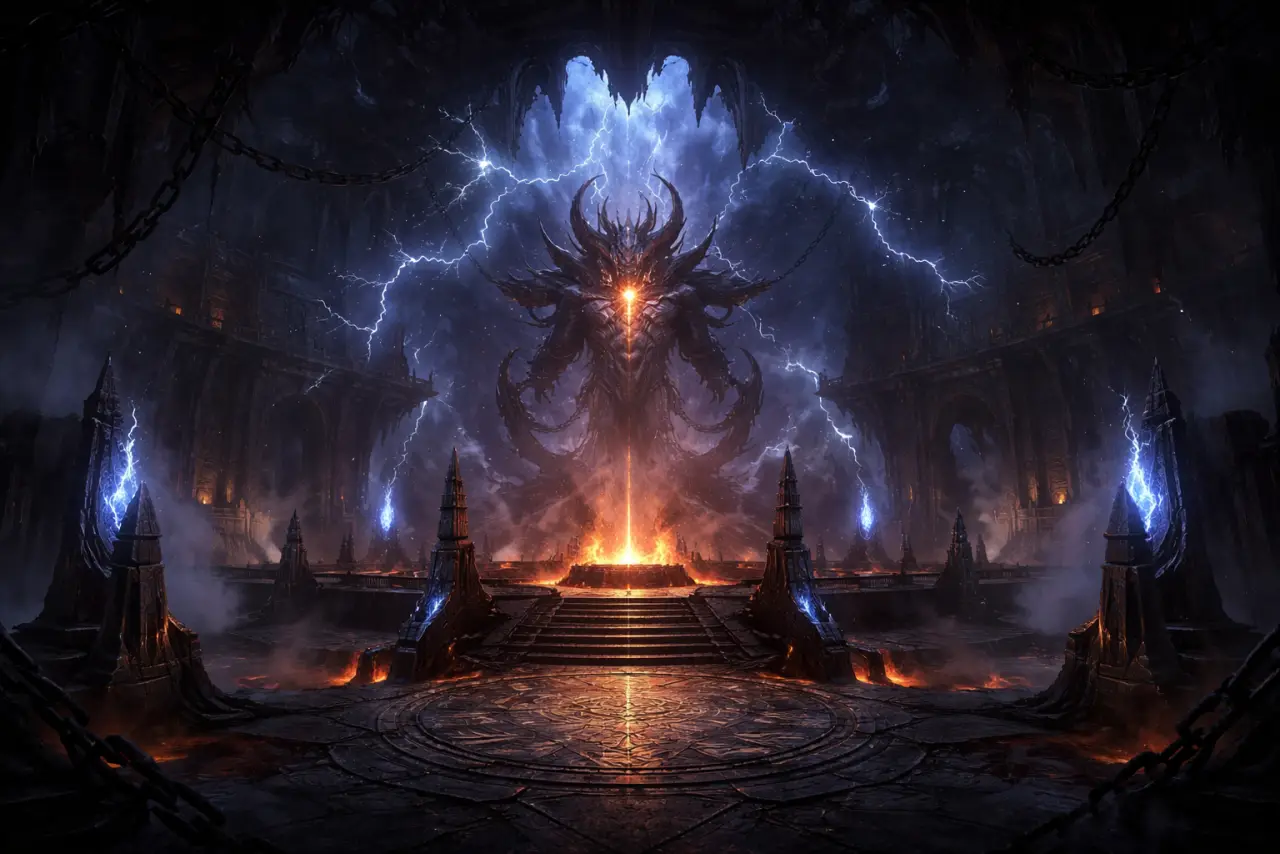
T10 · Tactical midgame
The Arcane Order turns T10 into one institution and now sustains it with a native Arcane Knights family: squires, halberdiers, marshals, hounds, paladins, and a fortress colossus.




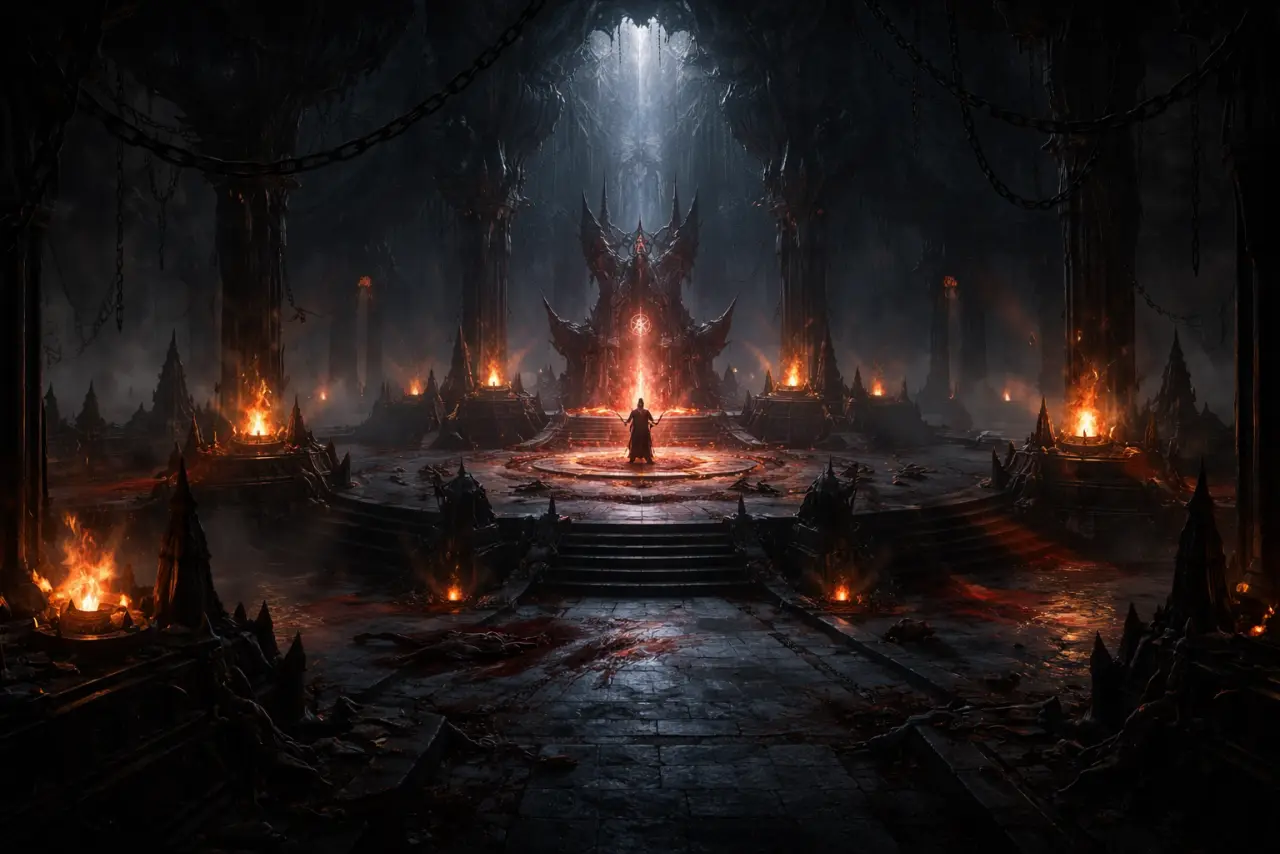

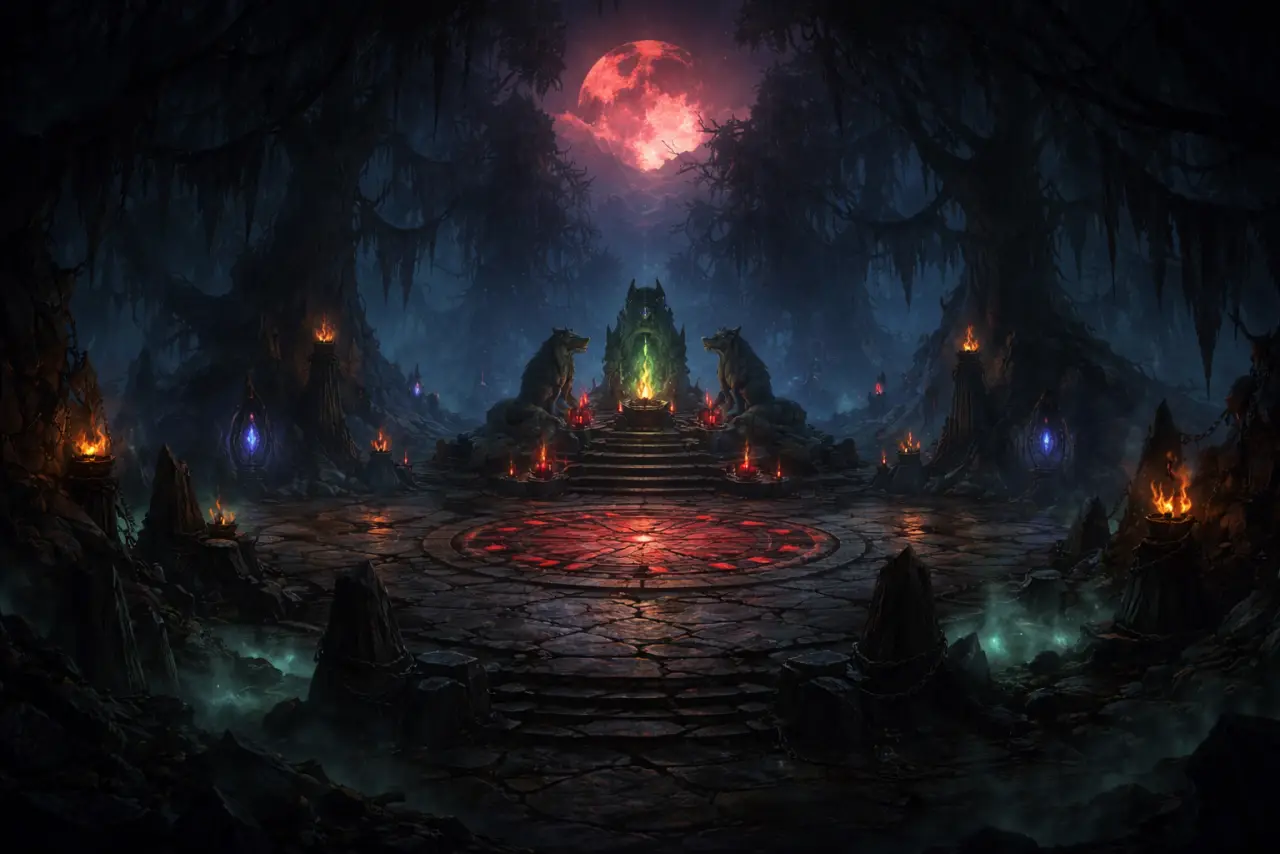

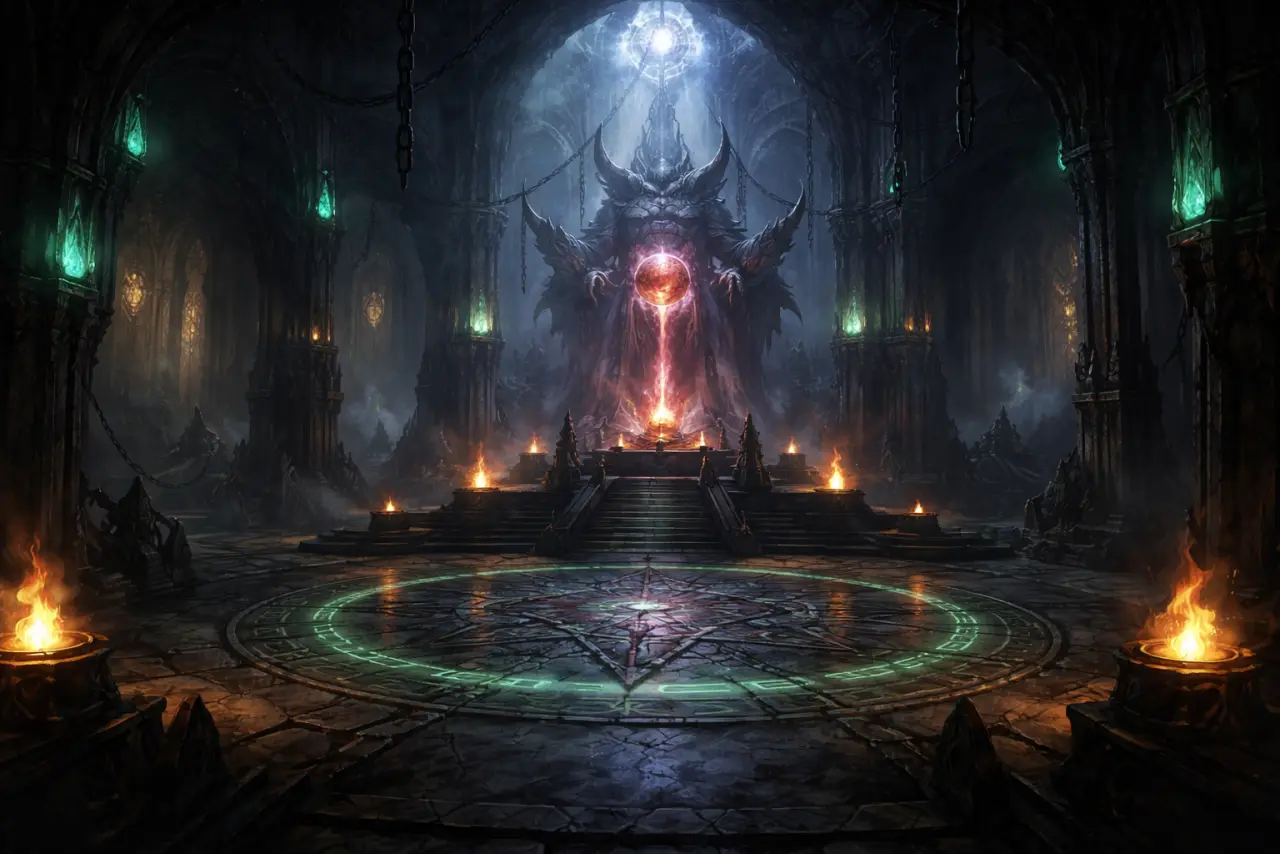
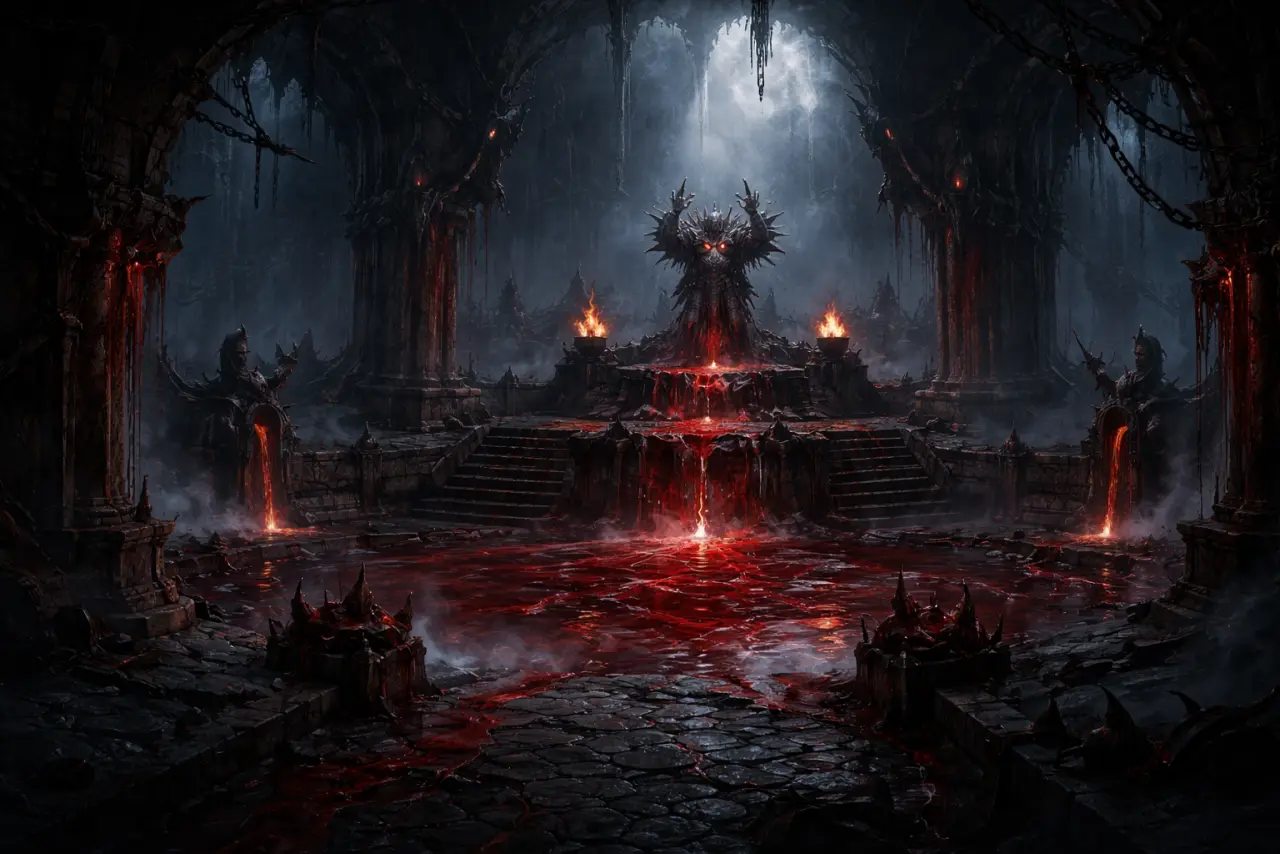
T15 · Read-heavy bosses
The biomes turn ritualistic, noble, or damned; pacing becomes almost ceremonial.


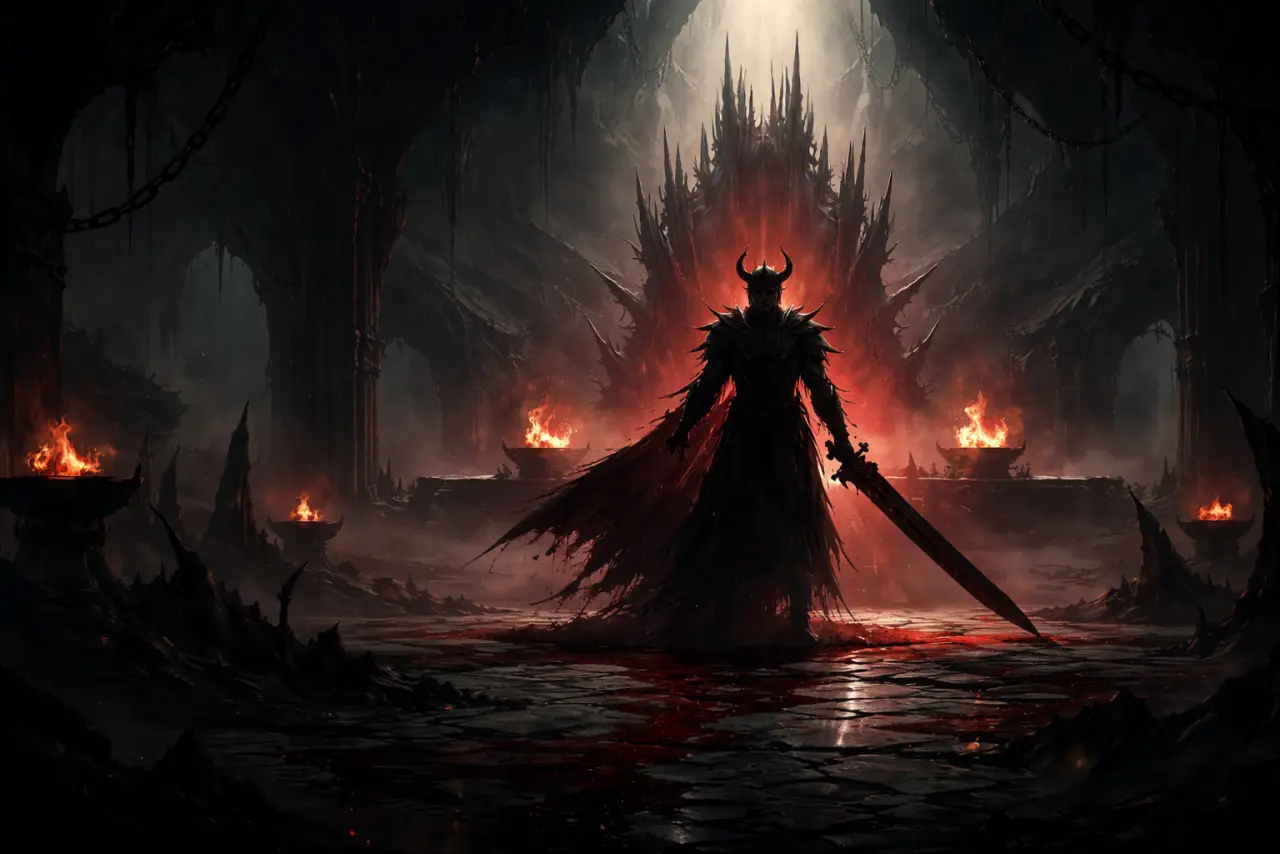
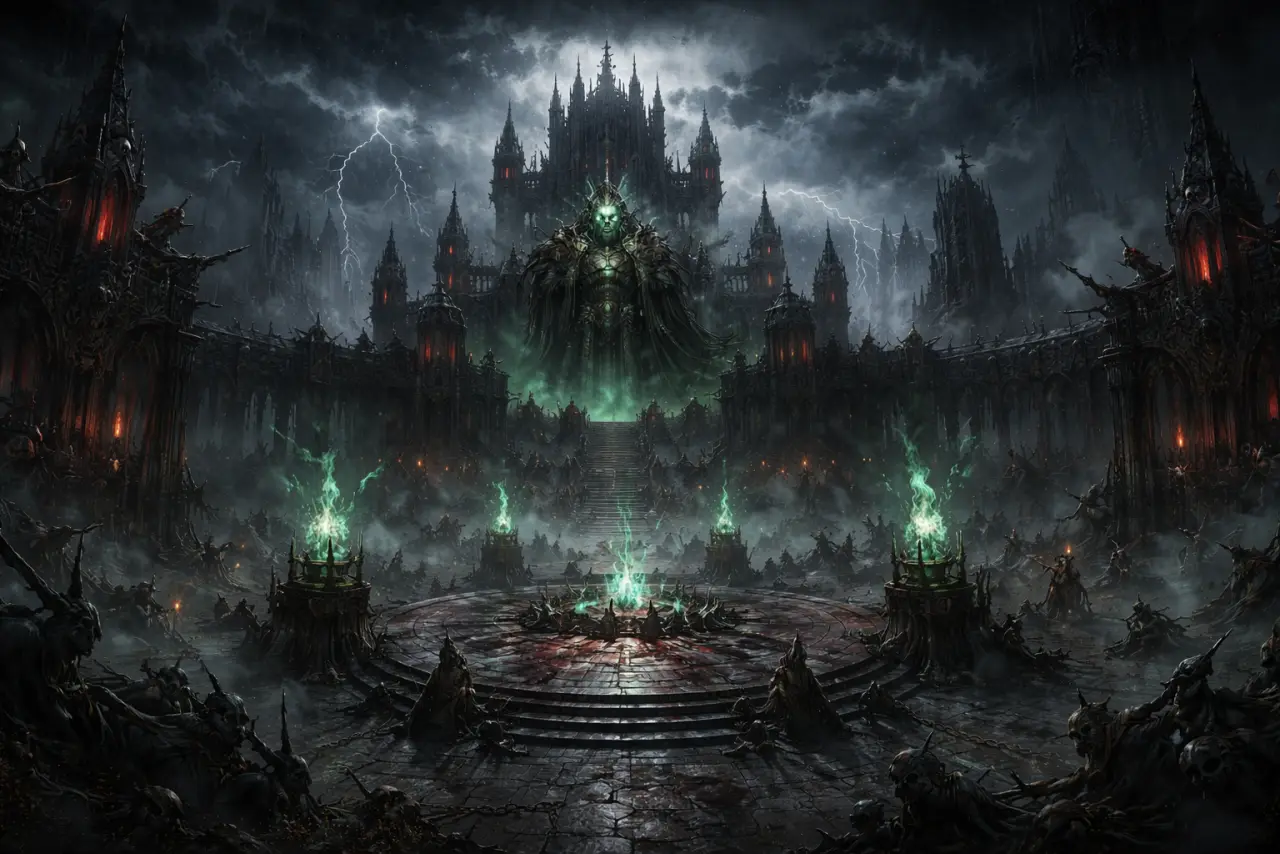
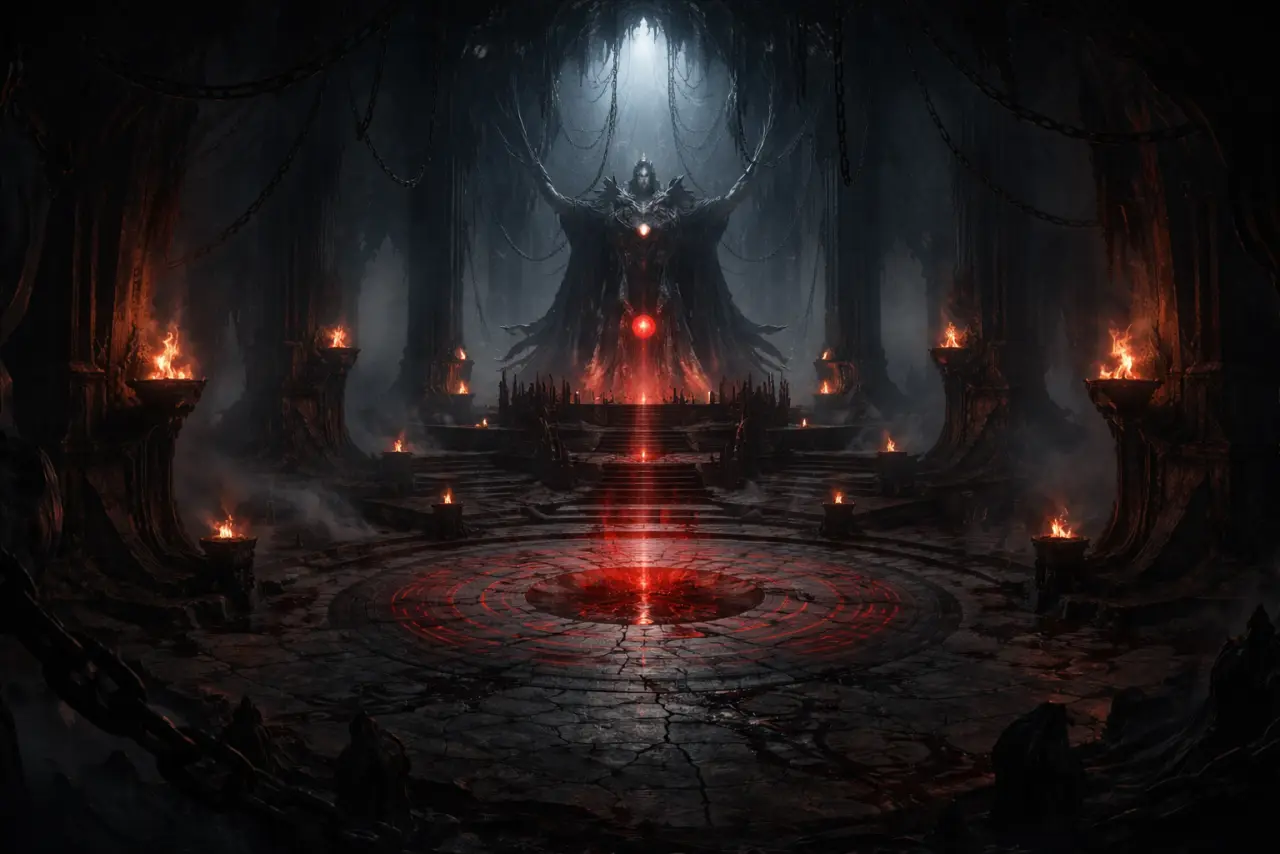
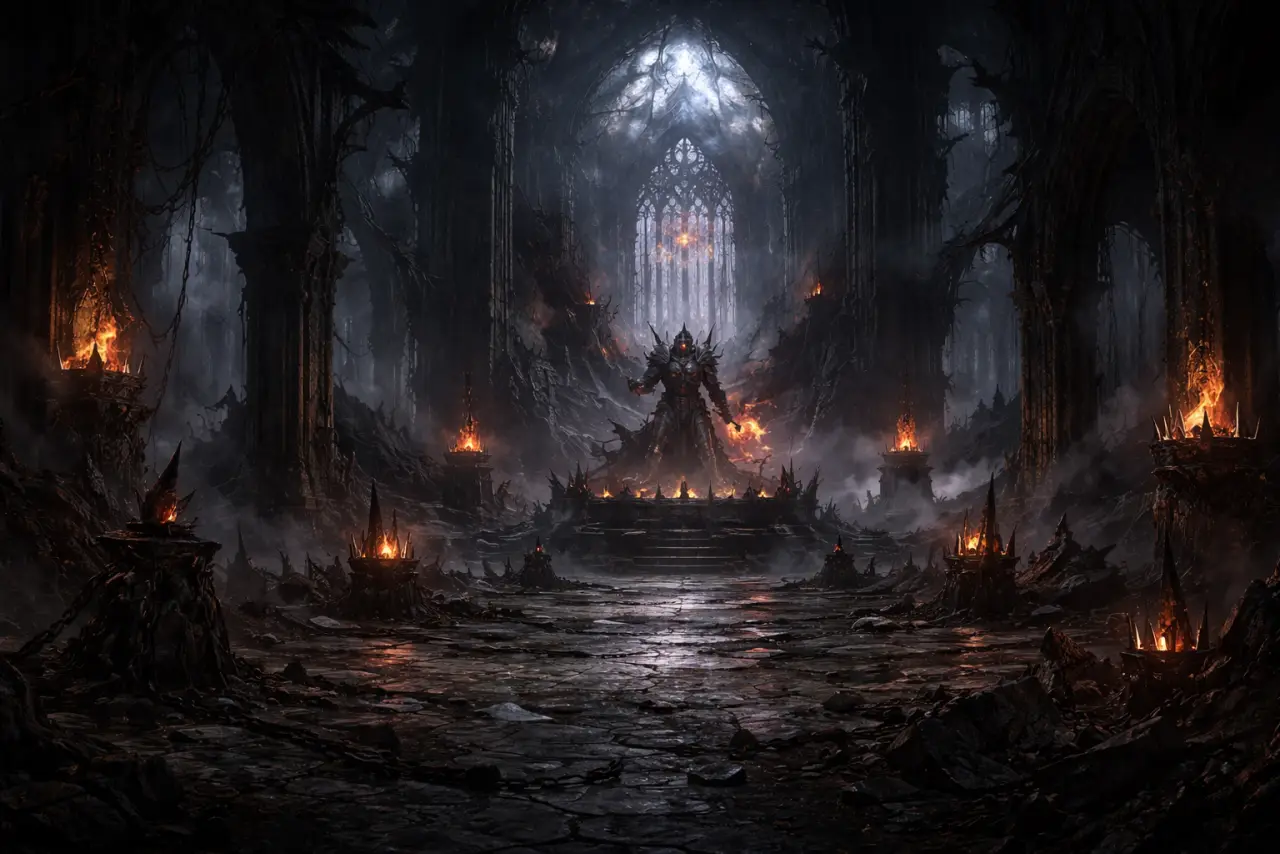
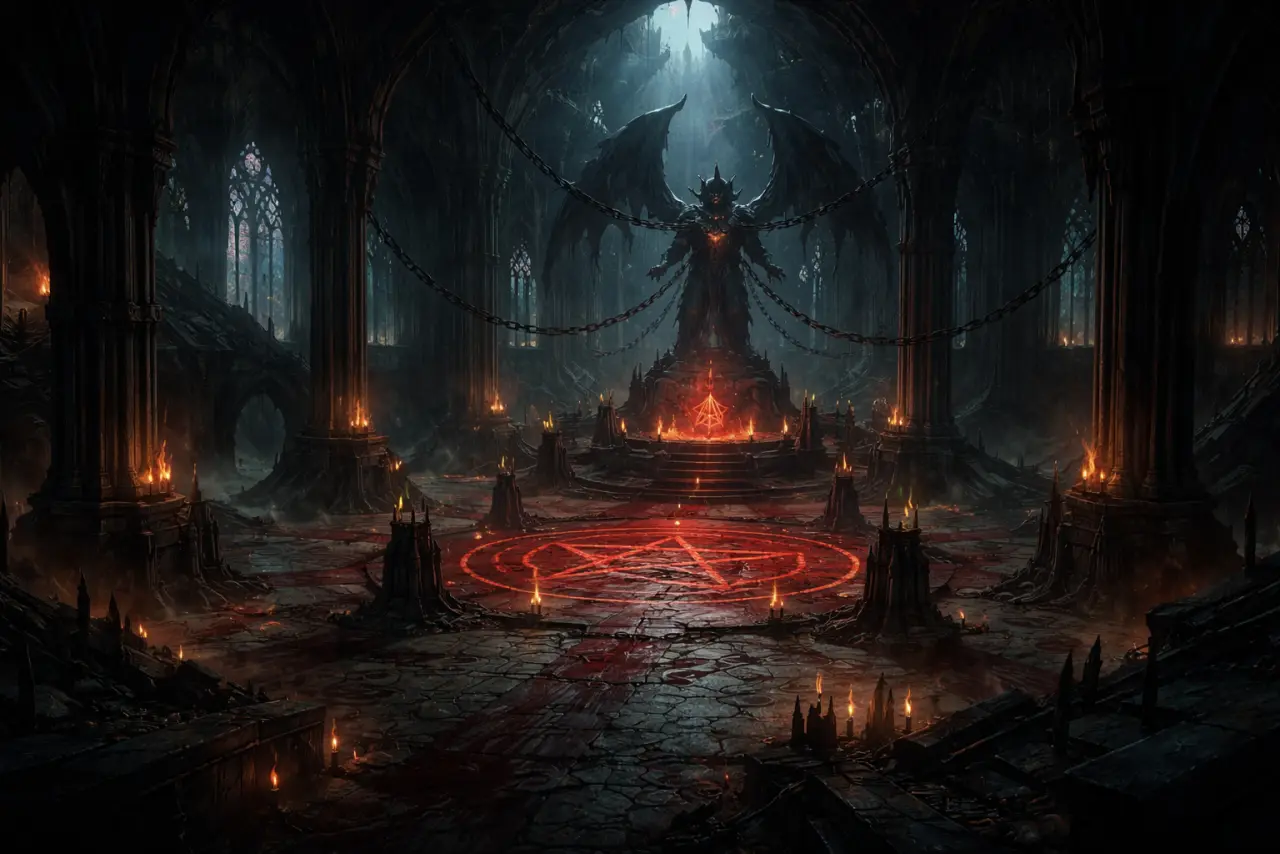

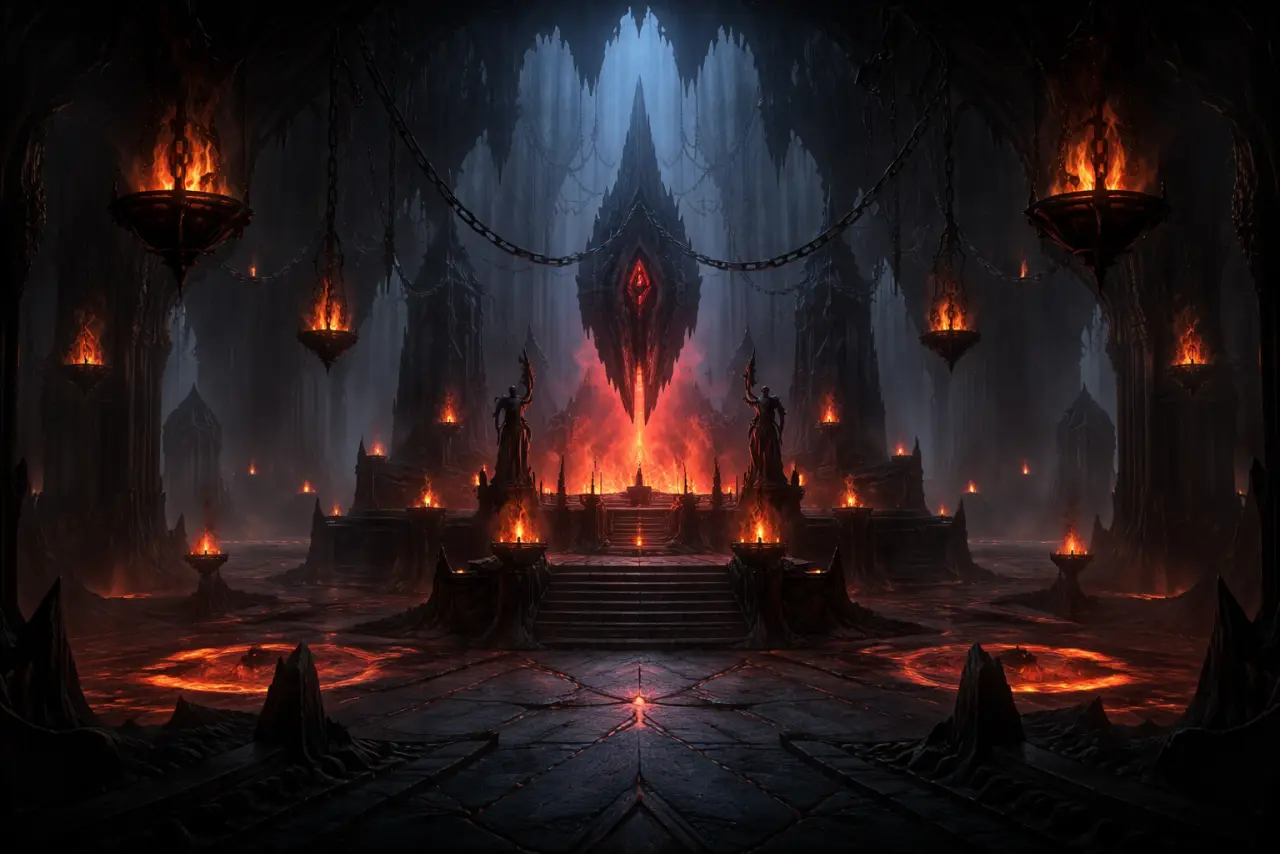
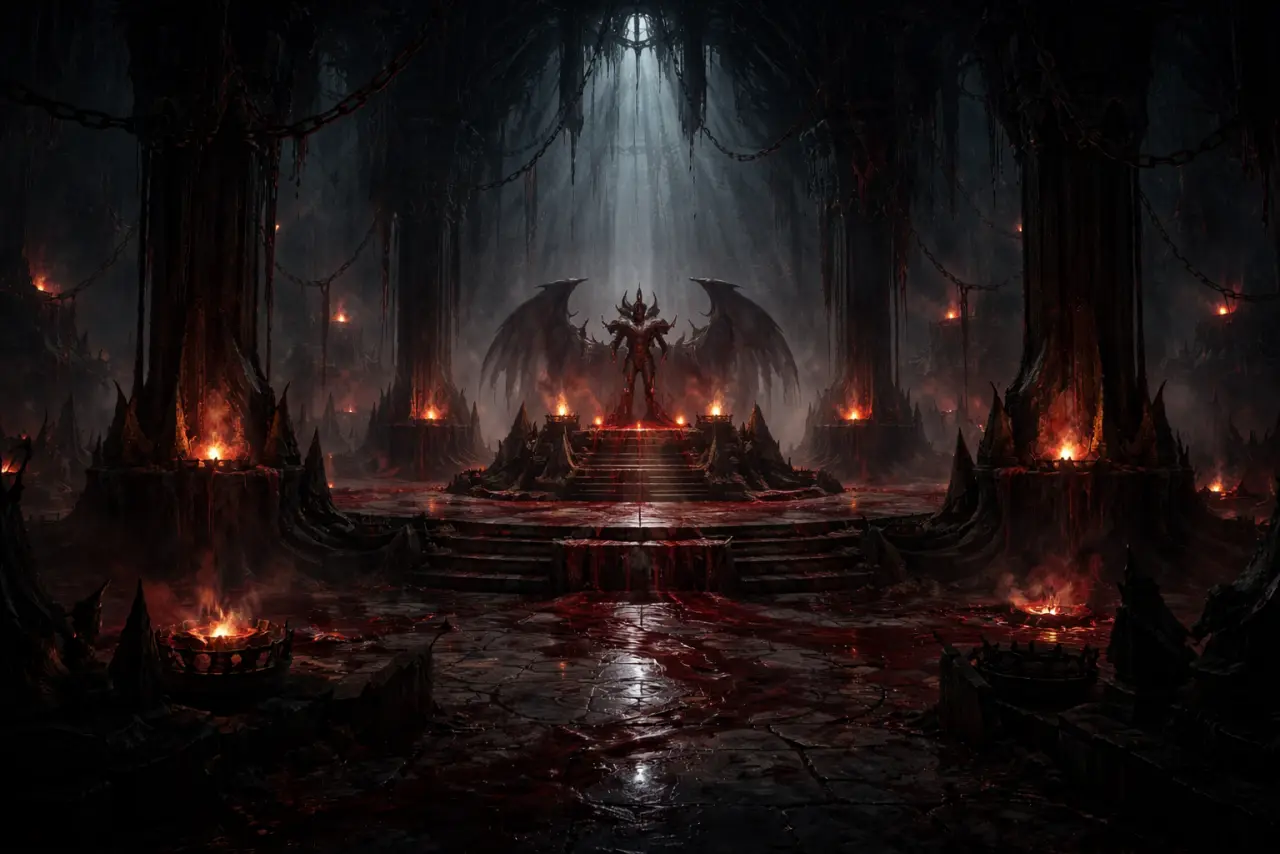
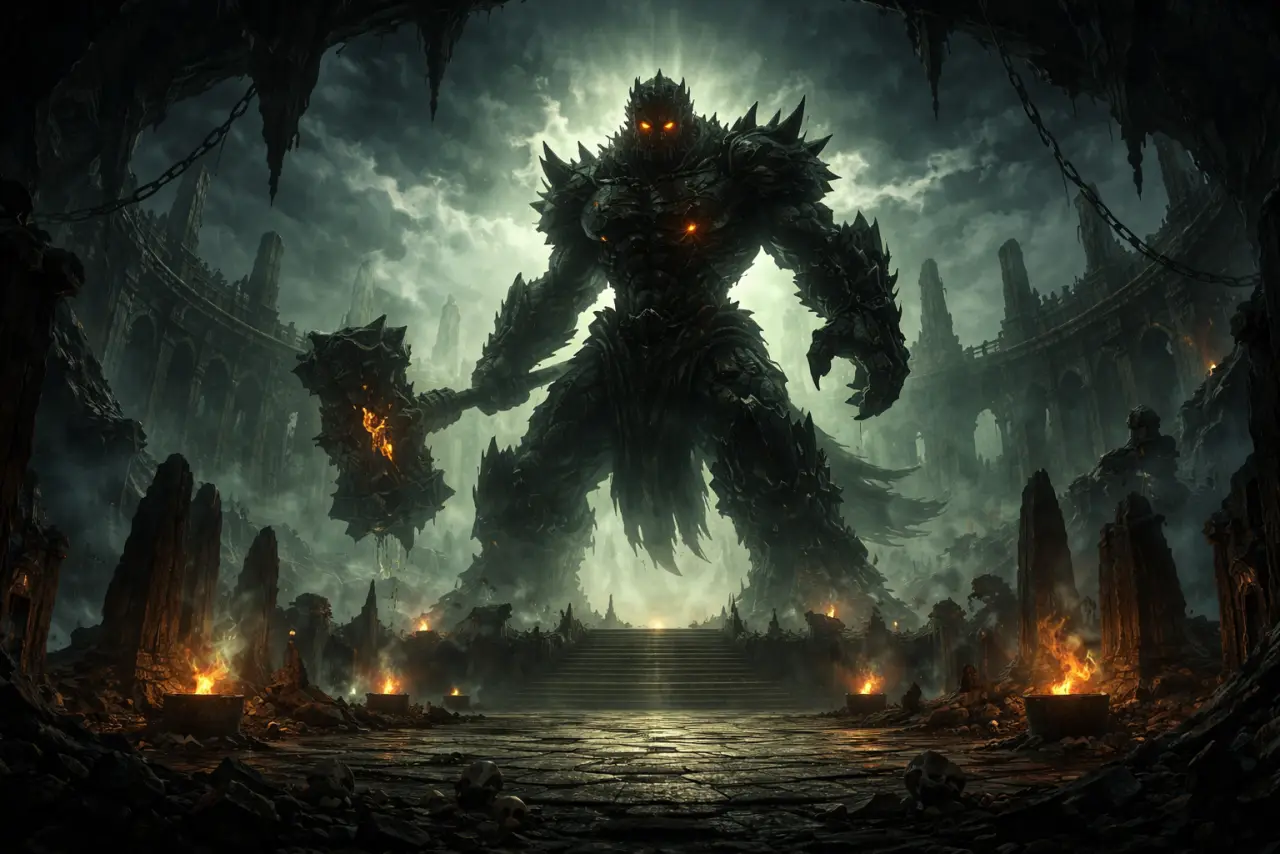
T20 · Endgame escalation
Drakes, titans, and storms turn every run into a march of endurance and precision.





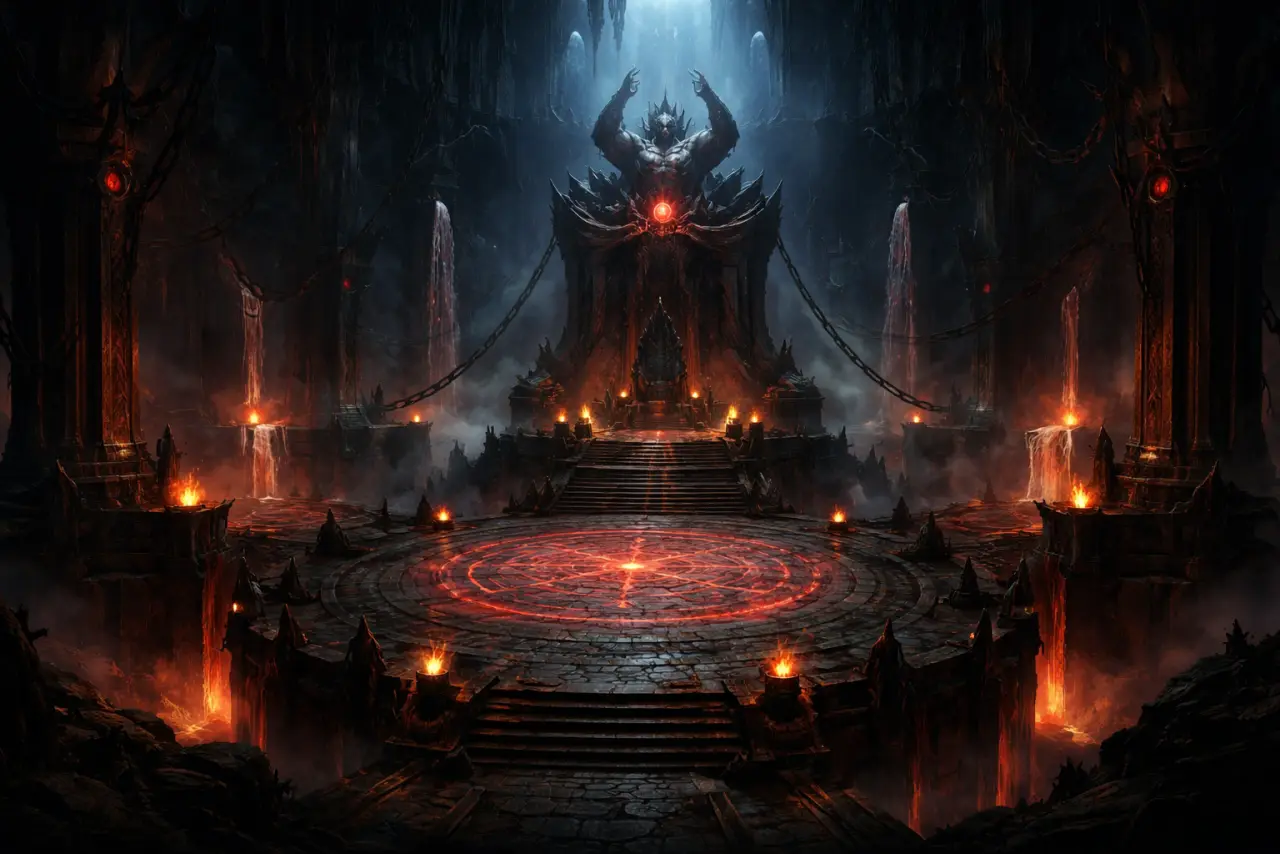

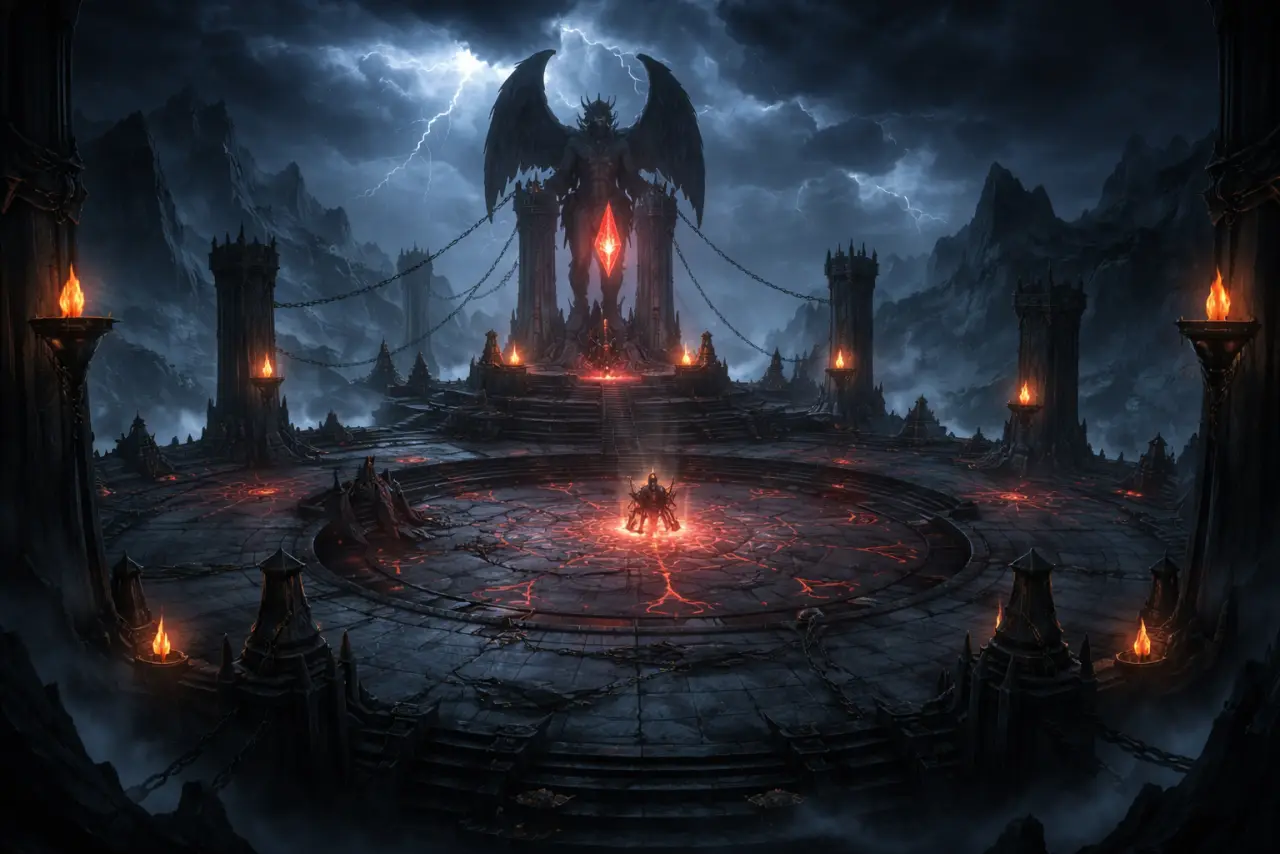
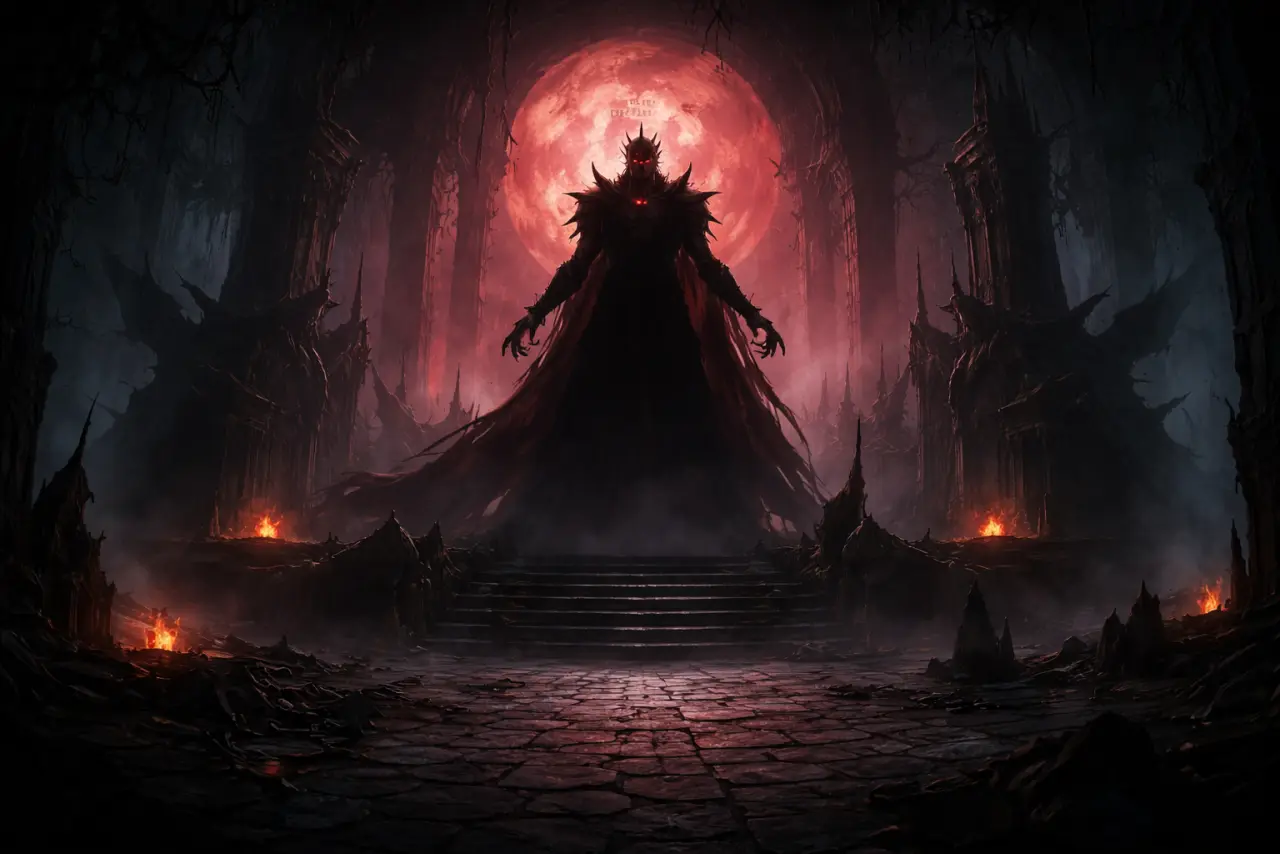
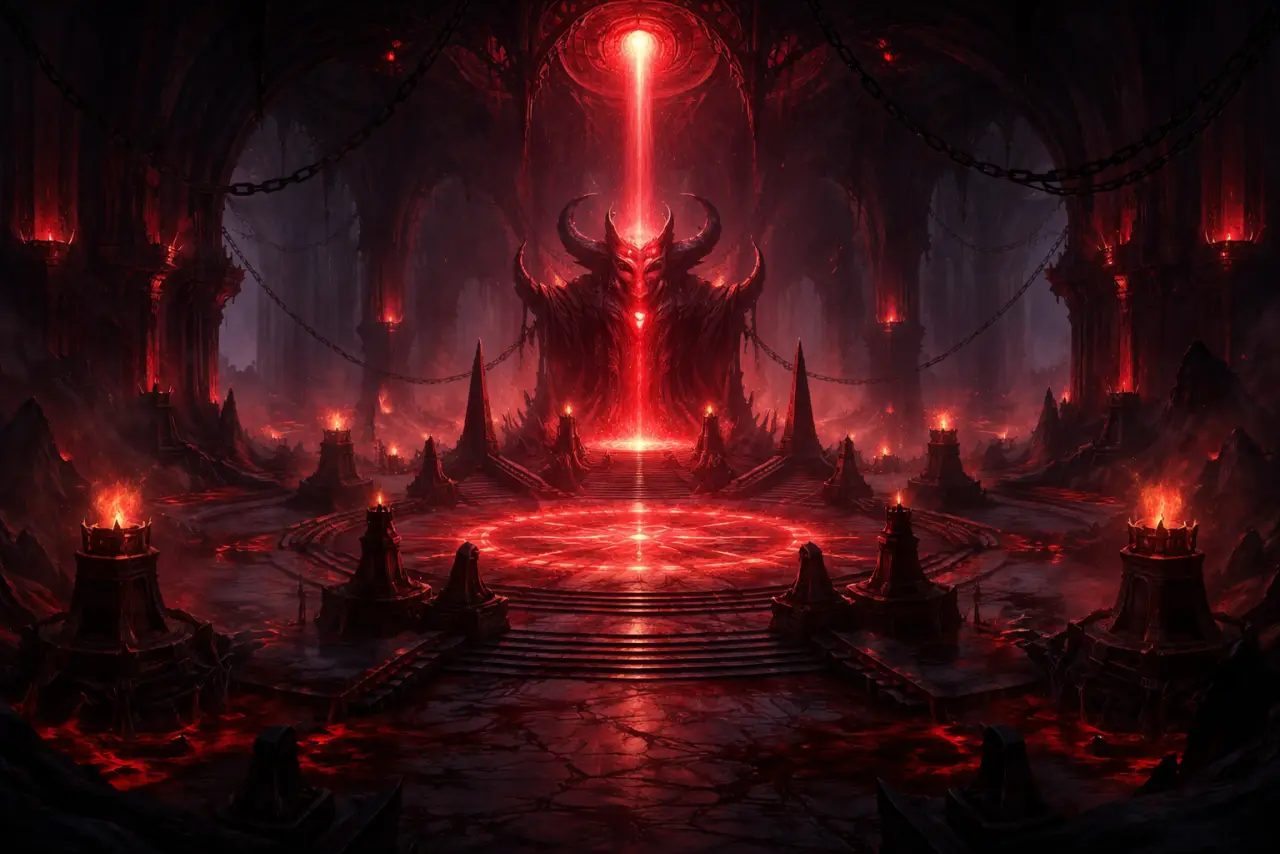
T25 · Meta capstone
The world enters apocalypse mode: eclipse, rupture, and eternity as the visual close of the climb.







Important cards use large art and recognizable names so the deck feels owned, not like a stat sheet.




The beta aims for three simple signals: you understand the turn, recognize the boss, and leave with a reason to return.
You see risk, timing windows, and tactical answers without drowning in noise.
Readable combatEvery boss asks for something different. If you ignore its signature mechanic, the run makes you pay.
Signature bossesDeck decisions matter because each route and each set pushes the next run forward.
Buildcraft payoffOpen TestFlight, jump straight into a run, and use the official wiki to read builds, bosses, and routes without wasting early runs.